

Solar panels and electric vehicle (EV) chargers can help a business reduce energy costs, lower emissions, and prepare for a changing transportation landscape. But installing equipment is only part of the picture. The best results come from understanding how your workplace uses energy and vehicles, then choosing a system that fits those needs.
This beginner's guide explains the basics of business solar and EV charging, why the two solutions can work well together, and how to plan a practical project. You'll learn which questions to ask, how to avoid common missteps, and what simple first step can help you decide whether these options make sense for your organization.
What Are Business Solar and EV Solutions?
Business solar usually means photovoltaic (PV) panels that convert sunlight into electricity. The panels may be installed on a roof, over a parking area, or on suitable land. An inverter changes the panels' electricity into the form a building can use. When the system produces more power than the business needs at that moment, the extra electricity may be stored in a battery, sent to the grid, or handled under a local utility arrangement.
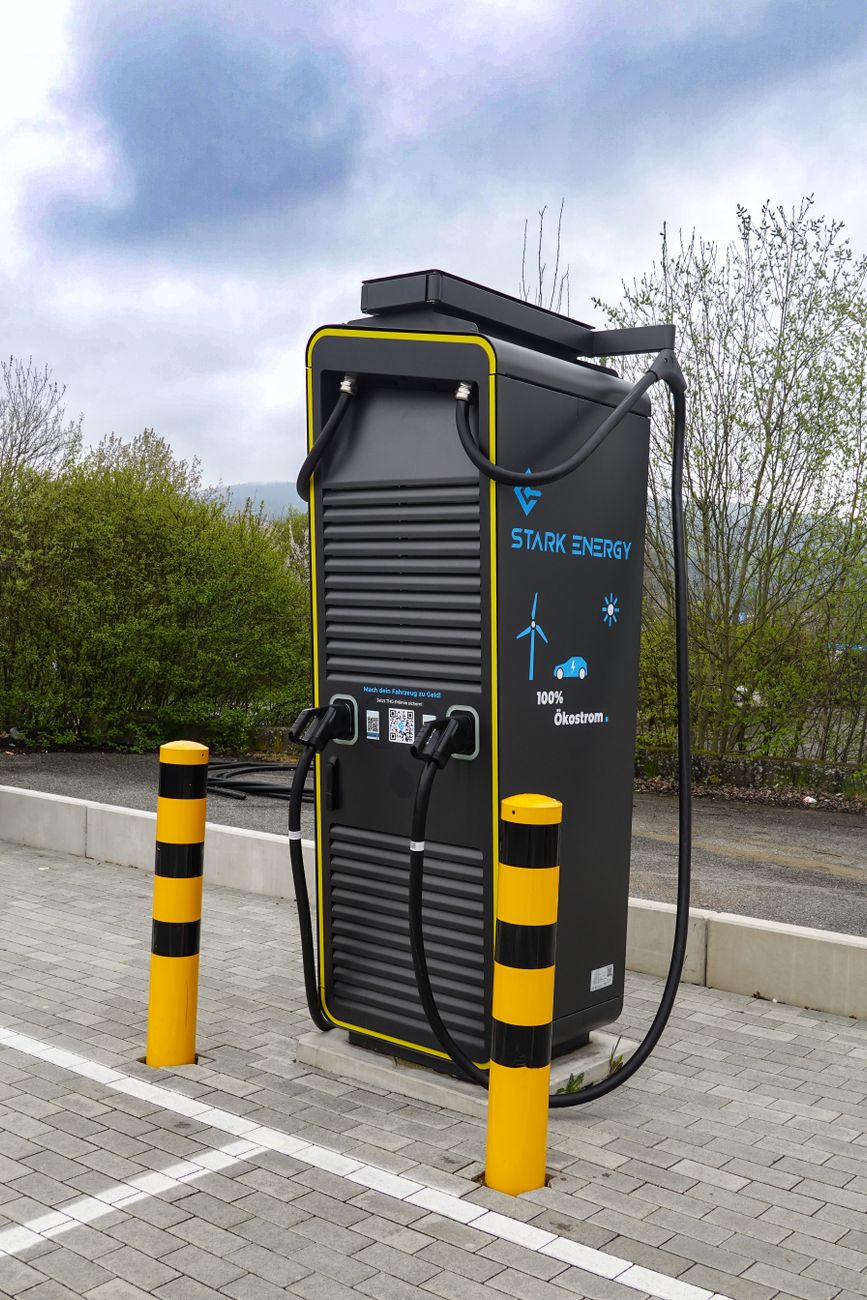
EV solutions include charging equipment for electric cars, vans, trucks, or fleet vehicles. A charger supplies electricity to a vehicle's battery. Some chargers are relatively slow and work well when vehicles stay parked for many hours; others provide power faster for short stops or busy fleets.
Think of solar panels as a source of energy and EV chargers as a way to deliver energy to vehicles. When their schedules align—such as vehicles charging during sunny business hours—the two can complement each other. They are not automatically a perfect match, however. A successful setup depends on the building, the local electricity rules, vehicle routines, and the company's goals.
Why Do Solar and EV Chargers Matter?
Electricity and fuel are significant operating expenses for many organizations. Producing some electricity on-site can reduce the amount a business buys from its utility, while charging vehicles at work can make fleet operations and employee or customer visits more convenient. The financial benefit varies by location, system size, electricity prices, incentives, and how much power the business uses while the system is producing it.
These investments can also support environmental and business goals. Solar power can reduce reliance on electricity generated from fossil fuels, and EVs have no tailpipe exhaust while driving. Offering chargers may help attract employees, customers, or tenants who drive electric vehicles. Visible solar panels and charging stations can also demonstrate a commitment to practical sustainability.
There is a resilience benefit to consider, too. A solar system by itself generally does not keep a building powered during a grid outage. A properly designed battery and backup system may provide power to selected equipment, subject to system design and local rules. Understanding this distinction helps prevent unrealistic expectations.
Core Concept: Start With Your Energy Use
Before choosing panels or chargers, learn when and where your business uses electricity. Review utility bills for at least a year if possible. Note monthly usage, peak-demand charges, and changes caused by seasons, shifts, or busy periods. Peak demand is the highest level of electricity use recorded during a billing period; some utilities charge businesses extra for reaching high peaks.
Daily timing matters as much as total usage. A business that runs equipment during sunny afternoons may be able to use a larger share of its solar electricity directly. A workplace that uses most of its power overnight may need a different system design or may rely more on grid electricity and, where suitable, energy storage.
- List major electrical equipment and its operating schedule.
- Identify planned changes, such as adding refrigeration, machinery, or EVs.
- Ask your utility whether it offers interval data, which shows usage in shorter time periods.
- Check for efficiency improvements that could reduce demand before sizing new equipment.
Efficiency is often the best first move. Replacing outdated lighting, improving controls, sealing drafts, or servicing equipment can reduce the amount of energy a solar system needs to cover. It is like fixing a leaky bucket before filling it with water.
Core Concept: Match Solar to the Site
A solar installer should evaluate the location, not just the available square footage. Roof age and condition, structural capacity, shade, orientation, and local weather can all affect a project. A parking canopy may be an option when the roof is unsuitable, and it can provide shade for vehicles, but it often involves different construction costs and permits.
Ask for a proposal that explains expected annual production, assumptions about shade, equipment warranties, maintenance responsibilities, and estimated costs. Compare proposals on the same basis rather than looking only at the number of panels or the lowest upfront price. A system that is poorly matched to the site may produce less than expected or require costly roof work later.
Also ask what happens to excess electricity. Utility rules differ: some businesses receive credits for power sent to the grid, while others receive limited or no compensation. This affects whether it is worthwhile to produce more electricity than the building can use during the day.
Core Concept: Choose EV Chargers Around Real Routines
Different vehicles and parking patterns call for different charging speeds. Level 2 chargers are common at workplaces because vehicles can charge over several hours. DC fast chargers can provide energy much more quickly, but they generally cost more to install and may require substantial electrical capacity. The right choice is the one that meets drivers' needs without paying for speed the site rarely uses.
Consider who will charge and for how long. Employees who park through a full shift may not need a fast charger. Delivery vehicles that return briefly between routes may require faster charging or a carefully planned rotation. Customer-facing businesses may want a few convenient chargers, clear signs, and a simple payment process.
Decide how access and costs will be managed. Chargers can be reserved for a fleet, shared with staff, opened to the public, or used under different rules at different times. A networked charger can help track usage and manage access, but it may have service fees or software requirements. Review these costs and the provider's terms before committing.
Core Concept: Coordinate Solar, Charging, and the Grid
Solar production and vehicle charging do not always happen at the same time. Smart charging controls can schedule charging for periods when electricity is less expensive, solar production is high, or building demand is lower. This is similar to running a dishwasher during an off-peak period, except software may coordinate several vehicles and chargers.
Ask an electrical professional or qualified installer to assess whether the site can support the planned chargers. Adding multiple chargers can require electrical upgrades, new wiring, permits, or utility coordination. Starting with fewer chargers and preparing for future expansion may be more affordable than building for an uncertain demand forecast.
Battery storage may help shift solar electricity to later hours or support selected loads during outages, but it adds cost and complexity. Compare its expected use and value with simpler options, such as adjusting charging times or installing energy controls. A battery should solve a defined problem rather than be included automatically.
Getting Started: A Practical First-Step Plan
You do not need to make every decision at once. A measured planning process can reveal the most useful option and make conversations with installers more productive.
- Set clear goals. Decide whether your priority is lowering bills, charging a fleet, offering workplace charging, reducing emissions, or improving backup capability.
- Gather information. Collect utility bills, operating schedules, vehicle counts, routes, and parking patterns. Include plans for future growth.
- Check the site. Review roof age, available parking, shade, electrical equipment, and likely locations for chargers. Have qualified professionals assess structural and electrical questions.
- Talk to your utility and local authorities. Ask about interconnection, electricity rates, export compensation, permits, and any rules for selling or sharing power.
- Compare qualified proposals. Request itemized pricing, estimated production or charging capacity, warranties, maintenance details, and assumptions. Verify contractor licensing, insurance, and references.
- Investigate incentives carefully. Tax credits, rebates, grants, and utility programs can change and may depend on location and eligibility. Confirm current terms with official sources and a qualified tax or financial adviser.
- Plan for operation. Assign responsibility for monitoring, repairs, user support, and reviewing energy bills after installation.
Common Mistakes to Avoid
- Buying equipment before measuring demand. Guessing can lead to a system that is too large, too small, or poorly timed. Use bills and operating data as the starting point.
- Assuming solar means free power at all times. Businesses may still pay fixed charges, buy grid electricity at night, or face charges under their utility rate plan.
- Ignoring the roof's condition. Installing panels shortly before a roof replacement can mean extra removal and reinstallation costs. Check roof life first.
- Installing chargers without a usage plan. Consider driver access, parking duration, payment, maintenance, and how many vehicles may need power at once.
- Overlooking electrical upgrades. Charger capacity may be limited by existing service. Confirm requirements early to avoid surprises during construction.
- Choosing solely by upfront price. Compare expected performance, warranties, service, financing, and long-term costs—not just the initial quote.
- Expecting a system to provide outage backup automatically. Ask specifically about batteries, backup equipment, and which circuits would remain powered.
- Forgetting to monitor results. Review production, charging activity, and utility bills after installation. Regular checks can uncover faults or opportunities to adjust schedules.
Resources and Next Steps
Useful starting points include your electricity utility, local government permitting office, national or regional energy agencies, and reputable clean-energy organizations. These sources can explain local interconnection procedures, available programs, and rules for workplace chargers. For technical decisions, seek advice from licensed electricians and experienced solar or EV charging professionals.
Keep a simple project file with utility bills, proposals, permits, warranties, equipment manuals, and contact information. After installation, compare actual solar production and electricity costs with the estimates in your proposal. Track charger use as well, so you can decide whether the number of ports, access rules, or charging schedule should change.
You don't have to solve the whole project today. Start by gathering your most recent 12 months of electricity bills and writing down when your business uses power and vehicles. That small step will give you a clearer picture of what to ask next—and put you on the path toward an energy plan that fits your business.