
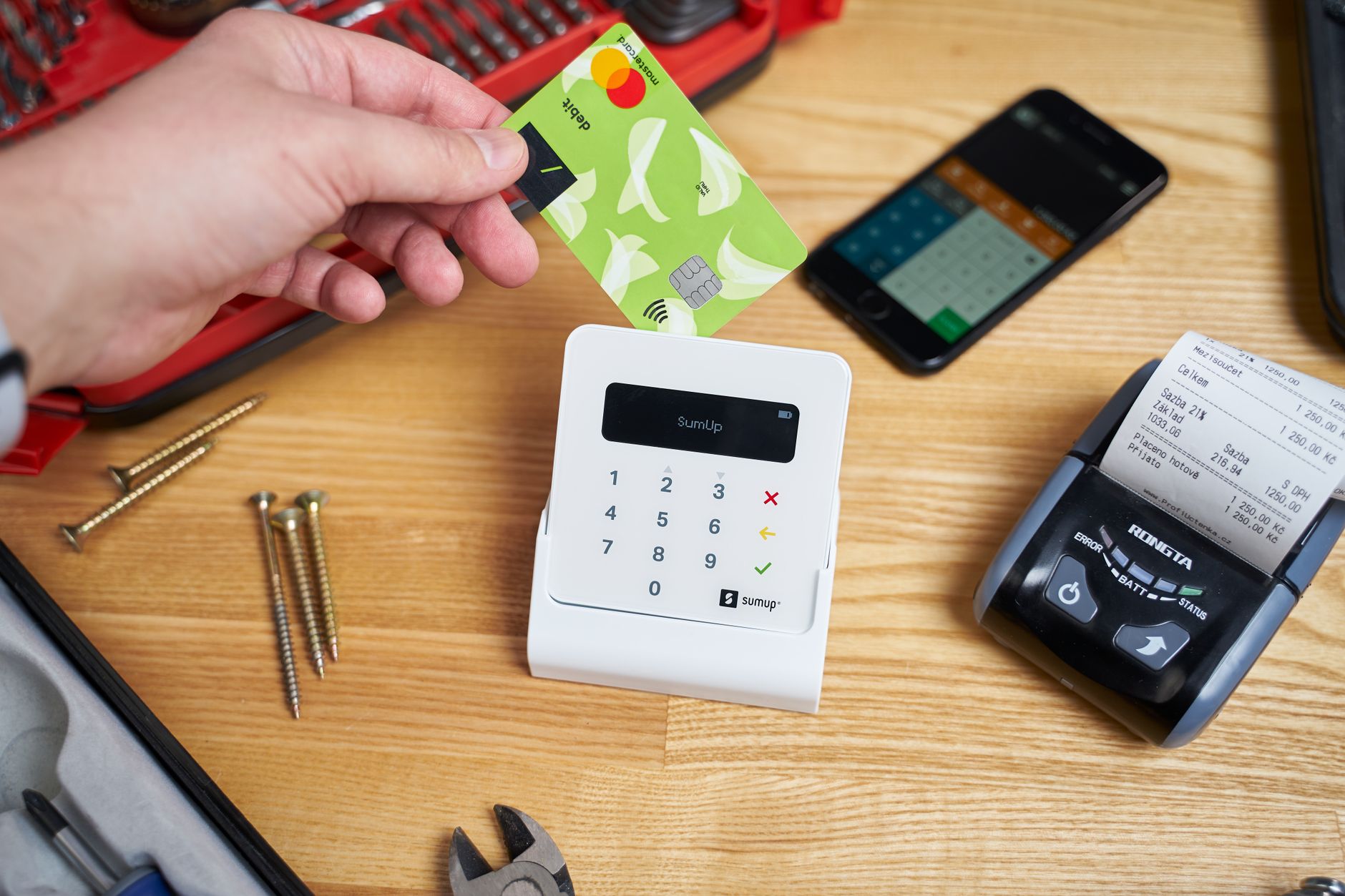

Choosing a way to accept credit cards affects how customers pay, how transactions are handled, and what costs your business takes on. This guide explains what to consider when comparing credit card processing options and how to discuss your needs with Mr. Truby, who has worked in payment processing for more than 20 years. Business owners looking for payment processing help can call 928-706-6769 or visit the business's page to learn more.
Key Takeaways
- Match payment processing features to how your business actually takes payments—in person, online, or both.
- Ask for a clear explanation of fees, contract terms, equipment, and funding timelines before choosing a provider.
- Mr. Truby brings more than 20 years of experience in payment processing and welcomes inquiries from business owners who need to accept credit cards.
What should you compare before choosing credit card processing?
The right setup depends on your sales channels, transaction volume, average purchase size, and operational needs. A retailer may need a countertop terminal and point-of-sale integration, while a service provider may prioritize mobile payments, invoices, or recurring billing. Online sellers should check whether a processor supports their ecommerce platform and checkout requirements.
Compare the full cost, not just a quoted transaction rate. Ask how the provider handles interchange and processor fees, monthly charges, chargebacks, refunds, PCI-related costs, and any fees for equipment or early cancellation. Request a written breakdown using realistic examples from your business so you can assess the total cost more meaningfully.
How can you evaluate fees, security, and service?
Payment processing includes more than moving money from a customer's card to a business account. It also involves protecting payment data, managing disputes, and maintaining reliable transaction tools. Ask who provides support, when support is available, and what happens if a terminal, integration, or account issue interrupts sales.
Security should be part of the conversation from the start. The Payment Card Industry Security Standards Council explains the PCI Data Security Standard (PCI DSS), which sets security requirements for organizations that store, process, or transmit payment card data. Ask a prospective provider what responsibilities remain with your business and what tools or guidance are available to help meet applicable requirements.
What questions should business owners ask a payment processor?
Bring practical questions to any discussion. Ask whether the provider supports your sales channels, which cards and payment methods are accepted, how quickly transactions are funded, and how chargebacks are handled. Confirm whether the quoted pricing is flat-rate or interchange-based and ask what could cause the amount you pay to change.
Also review the agreement before signing. Check the contract length, renewal terms, cancellation process, equipment ownership or rental terms, and any minimum processing requirements. If you already use accounting, inventory, or point-of-sale software, confirm compatibility rather than assuming that an integration is included.
What does more than 20 years in payment processing mean?
Experience can help a processor understand the practical differences between business types and payment setups. Mr. Truby has been in payment processing for over 20 years and would welcome a conversation with owners who need to accept credit cards. That background is a reason to ask informed questions—not a substitute for reviewing the terms, pricing, and service offered for your specific business.
For example, a shop taking payments at a counter may need dependable terminal support, while a contractor may need mobile acceptance and clear invoicing options. An online business may care most about checkout integration and recurring payments. These examples are not performance guarantees; they show why a useful recommendation should begin with your actual workflow.
How can you get started with Mr. Truby?
Before reaching out, note how customers pay today, what tools you use, and any issues you want to solve—such as unclear fees, limited payment methods, or difficulty reconciling transactions. If you are starting a business, estimate your likely sales channels and ask what information is needed to review available options. This preparation can make a first conversation more focused.
Business owners who need to accept credit cards can call Mr. Truby at 928-706-6769 or visit the business's page to make an inquiry. Ask for a transparent explanation of pricing, security responsibilities, equipment, and contract terms, then compare the details against your business needs before deciding.