
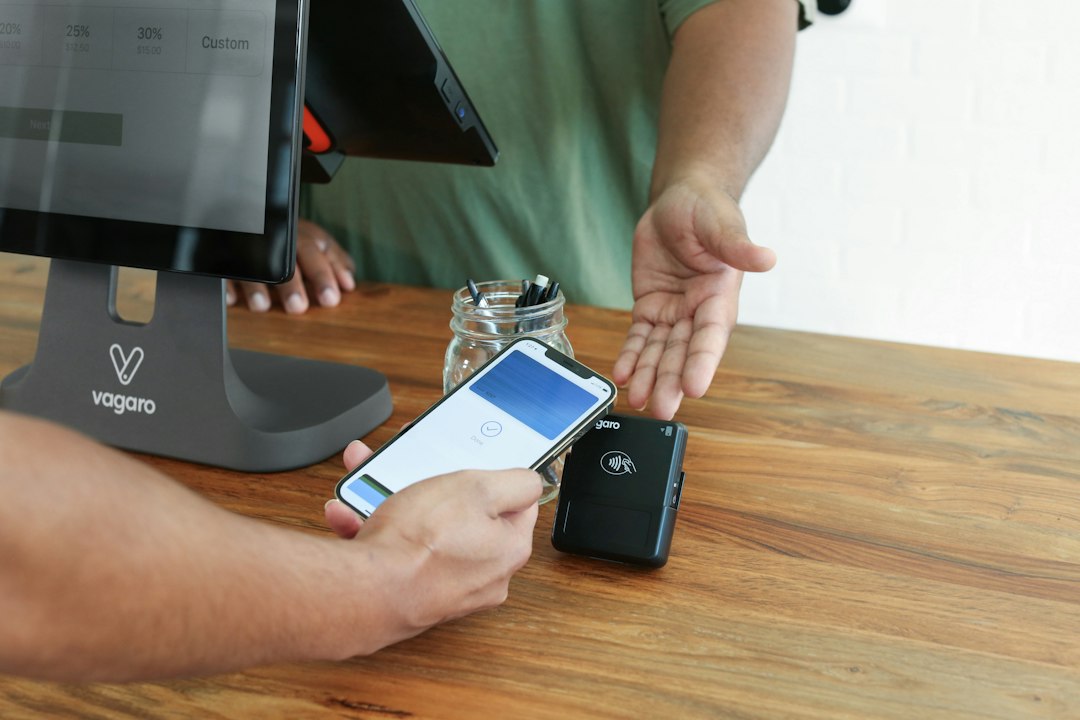

Choosing credit card processing affects how your business accepts payments, manages transactions, and serves customers. This guide explains what to consider when comparing payment processing options and how to speak with Mr. Truby, who has more than 20 years of experience in payment processing. If your business needs to accept credit cards, call 928-706-6769 or visit the linked page to discuss your needs and available options.
Key Takeaways
- Compare processing costs, equipment, payment methods, and support before choosing a provider.
- Ask how pricing, deposits, chargebacks, and contract terms apply to your business.
- Mr. Truby has worked in payment processing for over 20 years; call 928-706-6769 to discuss your requirements.
What should you compare when choosing credit card processing?
The right payment processing setup depends on how and where you sell. A storefront may need countertop terminals and point-of-sale integration, while a service business may prioritize invoicing, virtual terminals, or mobile payments. Online sellers should check how a payment gateway connects with their website or ecommerce platform.
Compare the full arrangement rather than focusing on a single advertised rate. Ask about transaction fees, monthly charges, equipment costs, PCI-related requirements, funding schedules, and any cancellation terms. The actual cost can depend on transaction size, card type, sales channel, and the provider's pricing model, so request an explanation based on your business's real payment mix.
How can an experienced payment processing contact help?
Payment processing involves more than a card reader. Businesses may need to coordinate a merchant account, point-of-sale software, a payment gateway, terminal setup, reporting, and procedures for refunds or disputed payments. A knowledgeable contact can help you identify which questions to ask and what features fit your daily operations.
Mr. Truby has been in payment processing for over 20 years and welcomes calls from business owners who need to accept credit cards. That experience is a reason to start a conversation, not a substitute for reviewing the details: ask for clear written terms and confirm that any proposed system supports your sales channels, hardware, and accounting workflow.
What questions should you ask before signing up?
Start with the basics: What are the transaction and monthly fees? Is pricing flat-rate, interchange-plus, or another structure? Are there minimums, setup costs, equipment leases, or early termination charges? Ask when funds are typically deposited and how the provider handles reserves, refunds, and chargebacks.
Then check practical fit. Confirm whether the solution accepts contactless cards and mobile wallets, works with your existing point-of-sale system, and supports keyed or online payments if you need them. Ask who provides technical support, how to reach them, and whether the equipment is purchased, rented, or included under specific conditions.
What do security and compliance mean for your business?
Card data requires careful handling. The Payment Card Industry Security Standards Council explains the PCI DSS requirements for protecting payment account data. Ask a prospective provider what responsibilities remain with your business, which security features are included, and how your payment environment should be configured.
Do not assume that using a processor automatically makes every part of your business compliant. Staff practices, connected systems, stored customer information, and payment channels can all matter. Request straightforward guidance on your responsibilities and consult a qualified security professional when your setup or obligations are unclear.
What does a payment processing discussion look like in practice?
Consider two common situations. A local retailer may need a countertop terminal, contactless acceptance, and a way to reconcile card sales with daily reports. A contractor may instead need mobile acceptance at job sites and the ability to send invoices for remote payment. Neither example establishes a universal price or best provider; they show why recommendations should follow the business's actual workflow.
Prepare a few useful details before discussing options: approximate monthly card volume, average sale amount, in-person versus online sales, current equipment, and any recurring issues. These inputs make it easier to evaluate a proposal on relevant terms instead of relying on a headline rate alone. No specific savings or approval outcome should be assumed without reviewing your business and offer.
How do you take the next step?
If you need to accept credit cards, speak with Mr. Truby about your business and the payment setup you are considering. Call 928-706-6769 or visit this page to get in touch. Before committing, compare the written pricing and terms, confirm equipment and support details, and choose a solution that matches how your customers pay.