
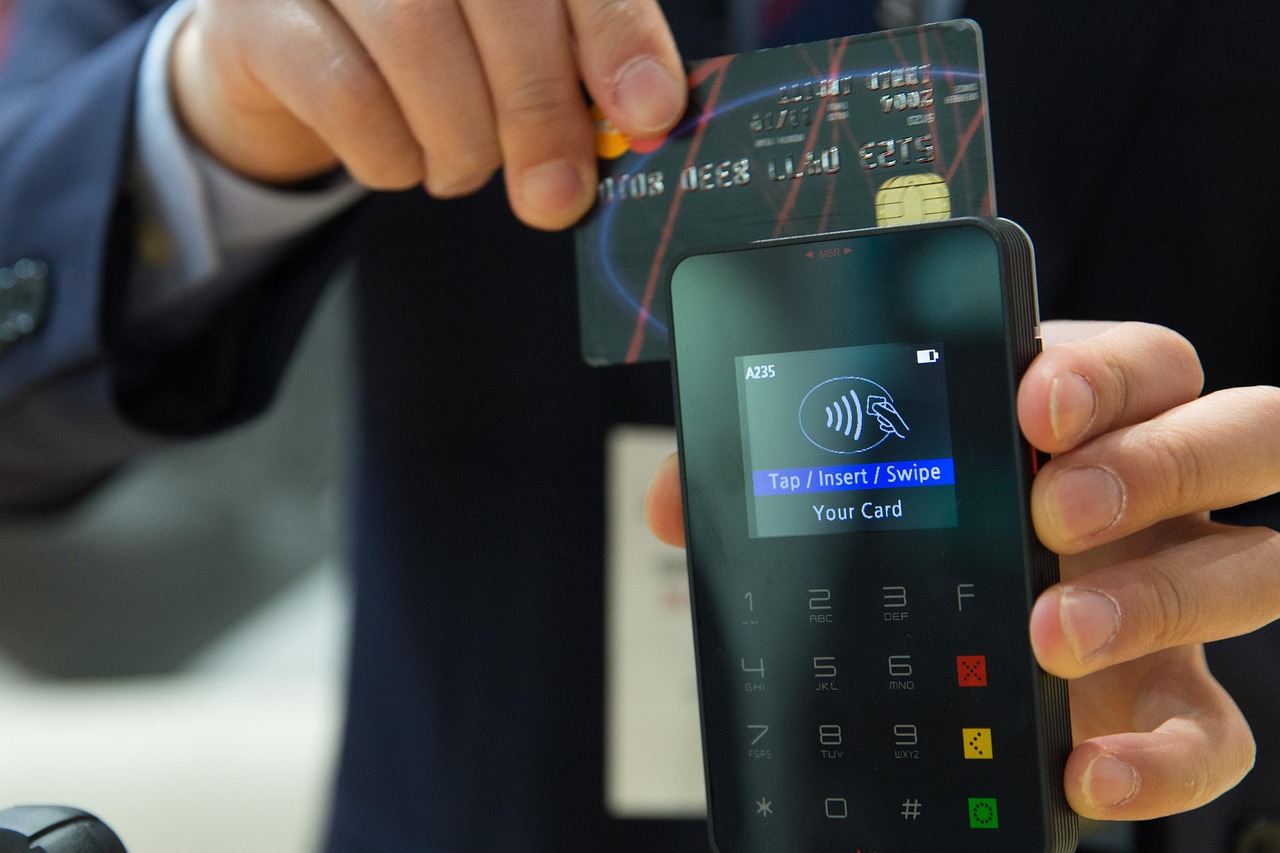

Choosing credit card processing services affects how smoothly your business accepts payments, manages cash flow, and serves customers. This guide explains how credit card processing works, what fees and features to compare, and how to evaluate credit card processing companies. You'll also find a practical next step for creating a merchant account and applying.
Key Takeaways
- Compare total processing costs, not just a provider's advertised rate.
- Match payment tools to how customers buy from you—in person, online, or both.
- Review security, settlement timing, support, and contract terms before choosing a provider.
How does credit card processing work?
A card payment travels through several parties before it reaches your business bank account. A payment processor securely sends transaction information between your point-of-sale system or website, the card networks, and the customer's issuing bank. The issuer checks the transaction and returns an approval or decline; approved funds are then settled according to the provider's schedule.
That journey happens in seconds, but the service behind it can shape your daily operations. Depending on your setup, credit card processing may include a card reader, payment gateway, virtual terminal, recurring billing, reporting dashboard, and tools for refunds or disputes. A business taking payments at a shop may need a different combination from an online seller or mobile service provider.
Which credit card processing services should you compare?
Start with your actual sales channels. For face-to-face transactions, check whether the provider supports suitable terminals or mobile readers and accepts contactless payments. For e-commerce, look for a payment gateway that integrates with your website or shopping platform, supports secure checkout, and provides clear transaction records.
Then consider the work you want the system to simplify. Recurring billing can help businesses that charge subscriptions or memberships. Invoicing and payment links can make it easier to collect remotely, while a virtual terminal may suit phone orders. Ask whether the service brings sales reporting, refunds, user permissions, and dispute management together in one dashboard.
Security should be part of the comparison—not an afterthought. Ask how the provider supports payment-data protection, what responsibilities remain with your business, and whether your equipment and integrations are appropriate for your payment environment. The PCI Security Standards Council's overview of PCI DSS explains the payment-card security standard and its role in protecting account data.
How can you compare processing fees and contract terms?
Processing costs can include more than a percentage of each sale. Depending on the pricing model and agreement, you may see per-transaction charges, monthly service or gateway fees, hardware costs, chargeback fees, and other account charges. Request a complete fee schedule and ask the provider to explain each line in plain language.
Compare offers using your own transaction patterns, not a headline rate alone. The total cost can depend on card type, how a payment is accepted, transaction size, and the provider's pricing structure. Ask whether pricing is fixed, tiered, or interchange-plus; what happens if your business volume changes; and whether the agreement includes a minimum term or cancellation fee. A clear written quote makes comparisons more useful.
What should you look for in credit card processing companies?
Reliable credit card processing companies should be able to explain onboarding, funding timelines, customer support, and account requirements before you sign up. Ask how quickly support responds, how to reach a person when payments are disrupted, and what documentation may be required during application or account review.
Check whether the provider can grow with your business. A new merchant may need straightforward checkout and dependable settlement; a growing business may also need multiple locations, employee access controls, integrations, or consolidated reporting. Read the service terms carefully, and confirm that the proposed setup works with your existing point-of-sale, accounting, or e-commerce tools.
What practical examples help you assess a provider?
Consider a café that serves customers at a counter and takes occasional phone orders. It may need a countertop terminal, contactless acceptance, and a virtual terminal, with reporting that separates order types. An online retailer may instead prioritize gateway integration, checkout reliability, refund tools, and clear records for reconciling deposits.
For a useful comparison, gather a recent processing statement if you already accept cards, list the payment methods you need, and estimate how transactions are split between channels. Ask each provider to map its fees and features to that same profile. This does not guarantee identical pricing, but it helps you compare offers against your real operating needs rather than assumptions.
How can you take the next step toward a merchant account?
If you're ready to explore an application, you can create a merchant account through the link below and then apply. Review the account details and requested information as you go, and make sure the service options align with the way your business accepts payments.
Click here to apply by first creating your merchant account. Once your account is created, you can continue with the application and take a practical step toward accepting card payments with a setup suited to your business.