
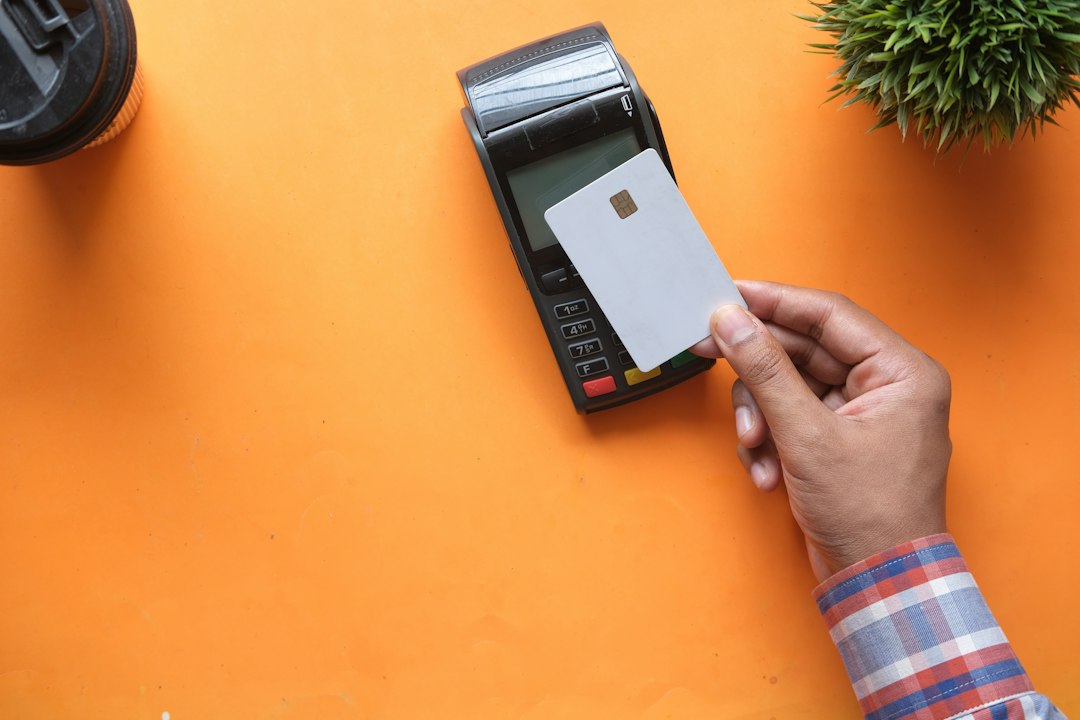

Every lost transaction can mean more than a missed sale: it can disrupt cash flow, frustrate a customer, and send a buyer to a competitor. For business owners evaluating credit card processing, the challenge is not simply finding a way to accept cards. It is choosing a payment setup that fits the business, is easy to understand, and has a knowledgeable point of contact when questions arise. Mr. Truby has worked in payment processing for more than 20 years and welcomes calls from business owners who need to accept credit cards.
Why credit card processing deserves careful attention
Card acceptance is a routine part of commerce, but the systems behind it involve pricing, equipment, transaction handling, and ongoing support. A merchant account or payment service can influence how customers pay in person, online, or over the phone. The right arrangement should support the way a business actually operates rather than force owners to work around an unsuitable setup.
That makes provider selection an operational decision, not just a search for the lowest advertised rate. A rate that looks attractive in a headline may not explain all applicable fees, contract terms, or service conditions. Business owners benefit from reviewing the full arrangement and asking direct questions before they commit.
What business owners should compare in a payment processor
Start with the fundamentals: how transactions are priced, what services are included, and whether the provider can support the business's sales channels. A retailer taking payments at a counter may need different tools from a contractor who invoices clients or an online seller accepting payments through a website. The solution should match the transaction environment, customer experience, and expected volume.
Ask for a clear explanation of processing costs. Depending on the provider and agreement, costs may include transaction charges, monthly fees, equipment costs, or other account-related expenses. Request the applicable terms in writing, and confirm how pricing works for the types of cards and transactions your customers commonly use.
Look beyond the advertised processing rate
A single percentage does not always describe the total cost of accepting credit cards. The effective expense depends on the merchant's transaction mix, sales volume, pricing model, and agreement details. Comparing proposals on equal terms is more useful than choosing based on a bold number in an advertisement.
Ask what is included, what is optional, and what could change over time. If an answer is unclear, request an example based on a typical transaction for your business. Clear explanations help owners make a decision based on actual costs rather than assumptions.
Check equipment and payment channel compatibility
Payment needs vary. Some businesses require a countertop terminal, while others need mobile card acceptance, an online checkout, recurring billing, or a way to take payments by phone. Before selecting a provider, identify the channels you use now and any you may add soon.
Also confirm that proposed equipment and software work with your existing point-of-sale tools, accounting processes, and internet setup. Compatibility can reduce friction for staff and customers alike. A well-matched system should make it straightforward to complete a sale, issue a receipt, and handle routine transaction tasks.
Experience and support matter after setup
Opening a payment account is only one stage of the relationship. Questions may come up later about a statement, a declined transaction, a terminal, a deposit, or a change in business needs. Reliable, accessible support can help an owner understand the available options and decide what to do next.
Experience is useful when it translates into practical guidance. A knowledgeable representative should be willing to explain terms in plain language, ask about the business before recommending a setup, and distinguish between essential features and optional extras. Business owners should expect straightforward answers rather than pressure to make a quick decision.
Mr. Truby has been in payment processing for over 20 years and is available to speak with business owners who need to accept credit cards. That background can provide a starting point for discussing payment acceptance, processing options, and the questions worth resolving before choosing a service.
Questions to ask before choosing a credit card processor
A short, focused conversation can reveal whether a proposed solution fits. Prepare a few details about your business, including how customers pay, your approximate transaction volume, and whether sales occur in person, online, or through multiple channels. Then use those details to guide the discussion.
- What pricing model and fees apply to my business, and where can I review them in writing?
- Are there contract terms, cancellation requirements, or equipment costs I should understand?
- Which payment methods and sales channels can the proposed setup support?
- What customer support is available if I have a problem with a transaction or device?
- Can the system work with my current point-of-sale, website, or business software?
- What information or documents will I need to apply and get started?
These questions are useful whether you are opening a new business, replacing an existing provider, or adding a new way to take payments. The objective is not to secure a verbal promise; it is to understand the arrangement well enough to compare it with alternatives and make an informed choice.
Match payment acceptance to the customer experience
Customers notice when checkout is slow, confusing, or inconvenient. They may want to tap a card, insert a chip card, pay online, or use another supported method. A processor and payment setup should help the business serve those preferences while keeping checkout manageable for employees.
Think through the full payment journey, from the moment a customer chooses a product or service to the point when the transaction is completed. For an in-person business, consider the location and ease of use of the terminal. For an online business, consider how clearly the payment page communicates the next step and how well the checkout works across devices.
Convenience should not replace due diligence. A system can appear simple at first glance but still require careful review of costs, security responsibilities, and service terms. Evaluate both the customer-facing experience and the practical requirements behind it.
Plan for the business you have—and the one you may build
Payment needs can shift as a business grows. A company that starts with local, in-person sales may later add online ordering, remote invoices, or recurring payments. Considering likely changes during the selection process can help prevent an avoidable switch later.
That does not mean paying for features you do not need. Instead, ask how easily the provider can accommodate a change in sales channels, transaction volume, or equipment requirements. A useful payment relationship should be appropriate for current operations and flexible enough to support reasonable future plans.
It is also wise to review payment statements and service arrangements periodically. As business operations change, the original setup may no longer be the best fit. A regular check-in can help identify questions to raise with a provider and clarify whether the current arrangement still meets your needs.
Speak with Mr. Truby about accepting credit cards
For business owners who want to explore credit card acceptance with an experienced industry contact, Mr. Truby has more than two decades of experience in payment processing. A conversation can help you outline your business requirements, ask about available processing options, and identify the terms you should examine before moving forward.
Call 928-706-6769 to discuss your payment needs. You can also visit the online information and application page to take the next step. Before making a decision, review the relevant pricing, service details, and agreement terms so the solution you choose is informed by your business's actual needs.
Whether you are setting up card acceptance for the first time or considering a change, begin with a clear picture of how you take payments and what support you expect. Then speak with Mr. Truby at 928-706-6769 or visit https://www.appsubmit.com/?source=44828.1 to start the conversation and explore a practical path to accepting credit cards.