
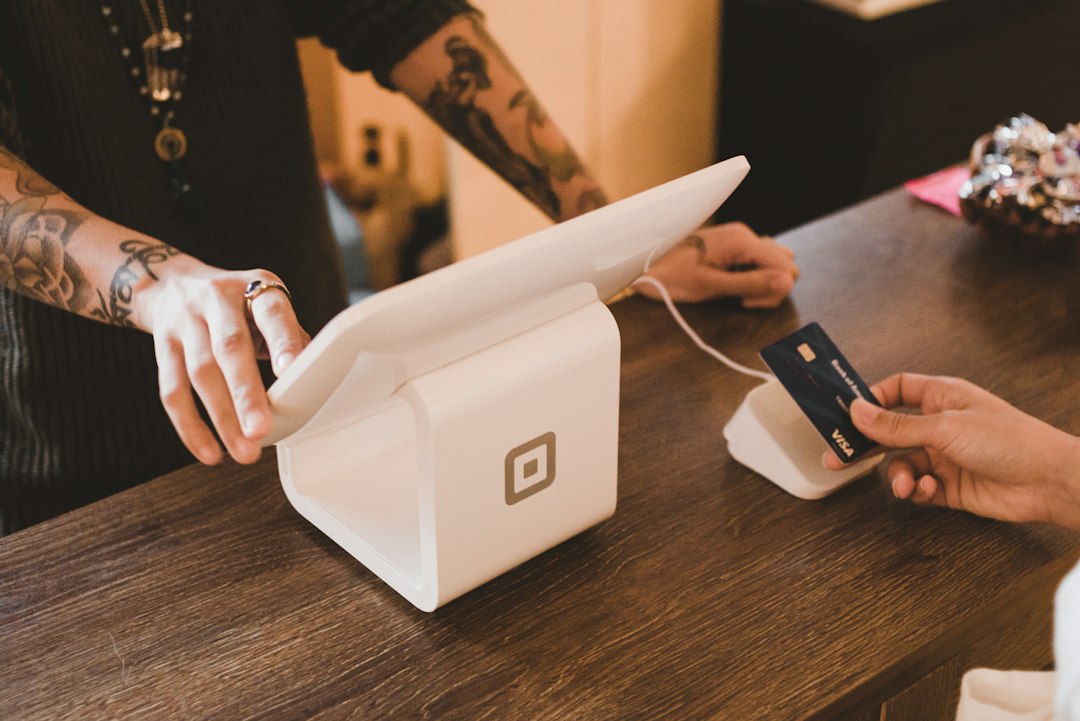

Accepting credit cards can make it easier for customers to buy, but choosing a payment processor is more complicated than selecting a card reader. Fees, equipment, support, and the terms of an agreement all affect what a business actually pays and how reliably it can take payments. For business owners evaluating credit card processing, Mr. Truby brings more than 20 years of experience in the payment processing industry and invites businesses to discuss their needs directly.
Call 928-706-6769 or visit this payment processing page to get started. Before making contact, it helps to understand the questions that matter most: how transactions are accepted, how pricing is structured, and what kind of service is available when something goes wrong.
Why Credit Card Processing Deserves Careful Evaluation
Payment processing is often treated as a routine business expense, yet it sits at the center of the customer experience. A declined transaction, unreliable terminal, or confusing checkout can interrupt a sale. Meanwhile, processing costs can quietly reduce margins if a business does not understand how its rates and fees are calculated.
The right setup depends on the business. A neighborhood retailer may need dependable countertop terminals, while a contractor may need to accept payments on the go. An online seller might prioritize a secure checkout integration, and a service provider could need recurring billing. Comparing providers without first identifying these requirements can lead to a solution that looks attractive on paper but does not fit daily operations.
What a Payment Processor Does
A payment processor helps move transaction information between a customer's card, the business, the relevant financial institutions, and the card network. The process happens quickly, but multiple parties and systems are involved. The processor's tools and support can influence how transactions are authorized, recorded, and settled into the business's account.
For a merchant, the practical question is not simply whether a provider can process payments. It is whether the proposed service works with the business's sales channels, accounting routines, customer expectations, and security responsibilities. A useful conversation should clarify the full setup, including equipment, software, deposits, and ongoing assistance.
Match Credit Card Processing to the Way You Sell
In-person payments
Retailers, restaurants, and businesses that meet customers face to face may need a point-of-sale terminal, a card reader, or a broader register system. The equipment should be appropriate for transaction volume and the environment in which it will be used. Ask whether the setup supports chip cards and contactless payments, and how it handles refunds, receipts, and end-of-day reporting.
Mobile and field payments
Tradespeople, market vendors, and mobile service businesses often need to accept payments away from a fixed checkout counter. A mobile solution may pair a reader with a smartphone or tablet, but practical details matter: connection reliability, battery life, portability, and how transactions are documented. Businesses should also consider whether the tool works smoothly with invoices or job-management software.
Online and recurring transactions
E-commerce businesses need a payment gateway or checkout integration that fits their website and supports a secure customer journey. Subscription and membership businesses may need recurring billing features, clear records, and processes for updating payment details. Confirm which features are included, which require an added service, and how technical support is provided during setup.
Understand Processing Rates and Fees
Pricing is one of the most important parts of choosing a merchant services provider, but a single advertised rate rarely tells the whole story. The total cost may include transaction charges, monthly account fees, equipment expenses, gateway costs, chargeback fees, or other line items. The exact structure depends on the provider and the business arrangement, so review the written terms rather than relying on a headline number.
When comparing proposals, ask for a clear explanation of how each fee is triggered and whether it is recurring or occasional. Review the agreement for minimums, cancellation terms, equipment obligations, and any conditions that affect the quoted pricing. If a fee is unclear, request a plain-language explanation before signing.
It is also useful to compare a proposal against actual business activity. Transaction size, card mix, sales volume, and the number of payment channels can all affect costs. A processor should be able to explain how the proposed arrangement relates to the merchant's circumstances, rather than presenting a generic estimate as a guaranteed outcome.
Look Beyond the Quoted Rate
A low processing rate may seem compelling, but service quality and operational fit also have economic value. If a terminal fails during a busy period or an online payment issue goes unresolved, the resulting disruption can outweigh a small difference in per-transaction pricing. Evaluate the complete service: payment tools, reporting, reliability, and access to help.
Support questions deserve specific answers. Find out how to contact the provider, what support channels are available, and whether assistance is available when the business normally processes payments. Ask who handles equipment troubleshooting and account questions, and what steps a merchant should take if a deposit or transaction does not appear as expected.
Security and Responsible Payment Acceptance
Businesses that accept cards must take payment security seriously. Use current payment equipment and software, limit access to sensitive account information, and follow the applicable security requirements for the business and its payment environment. A processor can provide tools and guidance, but merchants should understand their own responsibilities instead of assuming that choosing a provider automatically resolves every security concern.
Ask how payment data is handled and what protections are built into the proposed solution. For online sales, examine the checkout experience and the way the site connects to payment services. For in-person sales, keep devices updated and make sure employees know how to handle payment issues without exposing customer information.
Questions to Ask Before Choosing a Merchant Services Provider
A focused discussion can reveal whether a solution is genuinely suitable. Bring recent processing statements, if available, and a short description of how customers currently pay. Then ask questions such as:
- Which payment methods and sales channels does the proposed solution support?
- What are the transaction costs and recurring fees, and when does each apply?
- Is equipment included, purchased, leased, or subject to a separate agreement?
- What are the contract duration, cancellation terms, and any minimum requirements?
- How are deposits, refunds, disputes, and chargebacks handled?
- What support is available for account, software, or terminal problems?
- Can the system work with the business's existing point-of-sale or accounting tools?
Answers should be specific enough to compare. If a proposal relies on vague assurances or leaves important charges unexplained, request clarification in writing. A transparent review makes it easier to distinguish a practical offer from one that merely sounds attractive.
How More Than 20 Years in Payment Processing Can Help
Experience can be valuable when it is applied to the merchant's actual situation. Mr. Truby has been in payment processing for over 20 years and is available to speak with business owners who need to accept credit cards. That background can provide a starting point for discussing payment needs, available options, and the details a business should examine before choosing a service.
However, no provider or advisor can determine the right fit without understanding the business. Share whether sales happen in person, online, by invoice, or across several channels. Explain what is working today and where the current process creates friction. The more concrete the information, the more useful the conversation can be.
Prepare for a Useful Payment Processing Conversation
Before reaching out, note your approximate monthly card volume, average transaction size, and the types of cards or payment methods customers commonly use. List the equipment and software already in place, along with any issues such as slow checkout, unclear deposits, or limited reporting. These details help focus the discussion on practical priorities.
Do not feel pressured to make a decision during an initial conversation. Ask for the relevant pricing and agreement details, compare them with your current arrangement, and take time to review the terms. A careful decision is better than choosing a service based only on a quick estimate or an appealing sales claim.
Speak With Mr. Truby About Accepting Credit Cards
For a business that needs to accept credit cards, the best next step is to explain how payments are handled today and identify what needs to improve. Mr. Truby's more than 20 years in payment processing offer a direct point of contact for discussing merchant services, payment acceptance, and questions to consider when reviewing options.
Call 928-706-6769 or visit https://www.appsubmit.com/?source=44828.1 to begin. Bring your questions, review the costs and terms carefully, and choose a credit card processing solution that fits the way your business serves customers.