
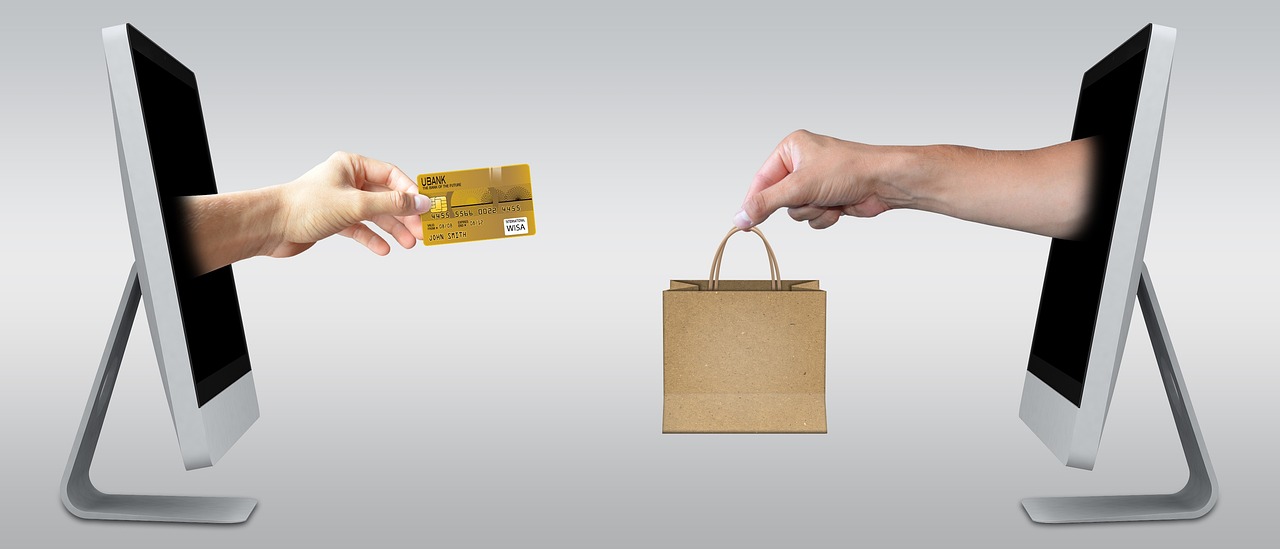

Introducing a new way to pay can make buying easier—but customers need to know their payment details are safe. Clear, useful communication helps people feel confident, complete purchases, and return to your business. This beginner's guide shares seven practical ways to explain secure payment methods, from choosing the right language to answering customer questions.
What Are Secure Payment Methods?
Secure payment methods are ways to pay that use safeguards to protect financial information during a transaction. These can include credit and debit cards, digital wallets, bank transfers, or online payment services. Security features may encrypt information, verify a customer's identity, or limit how much sensitive data a business stores.
Think of payment security like sending a valuable package in a locked box. The customer provides payment details, and protective systems help keep those details private as they travel between the customer, the business, and the payment provider. No method is risk-free, so it is important to describe protections accurately rather than promise perfect safety.
Why Does It Matter?
Customers are more likely to try a payment option when they understand how it works and what protections are in place. Familiar, straightforward explanations reduce uncertainty at checkout. They can also help customers recognize legitimate payment requests and avoid scams.
Good payment education supports repeat business, too. When customers feel informed and respected, they are more likely to trust your business in future transactions. It can also reduce confusion, support requests, and abandoned purchases.
Tip 1: Explain the Benefits in Plain Language
Describe what a payment option does for customers—not just its technical features. Instead of saying