
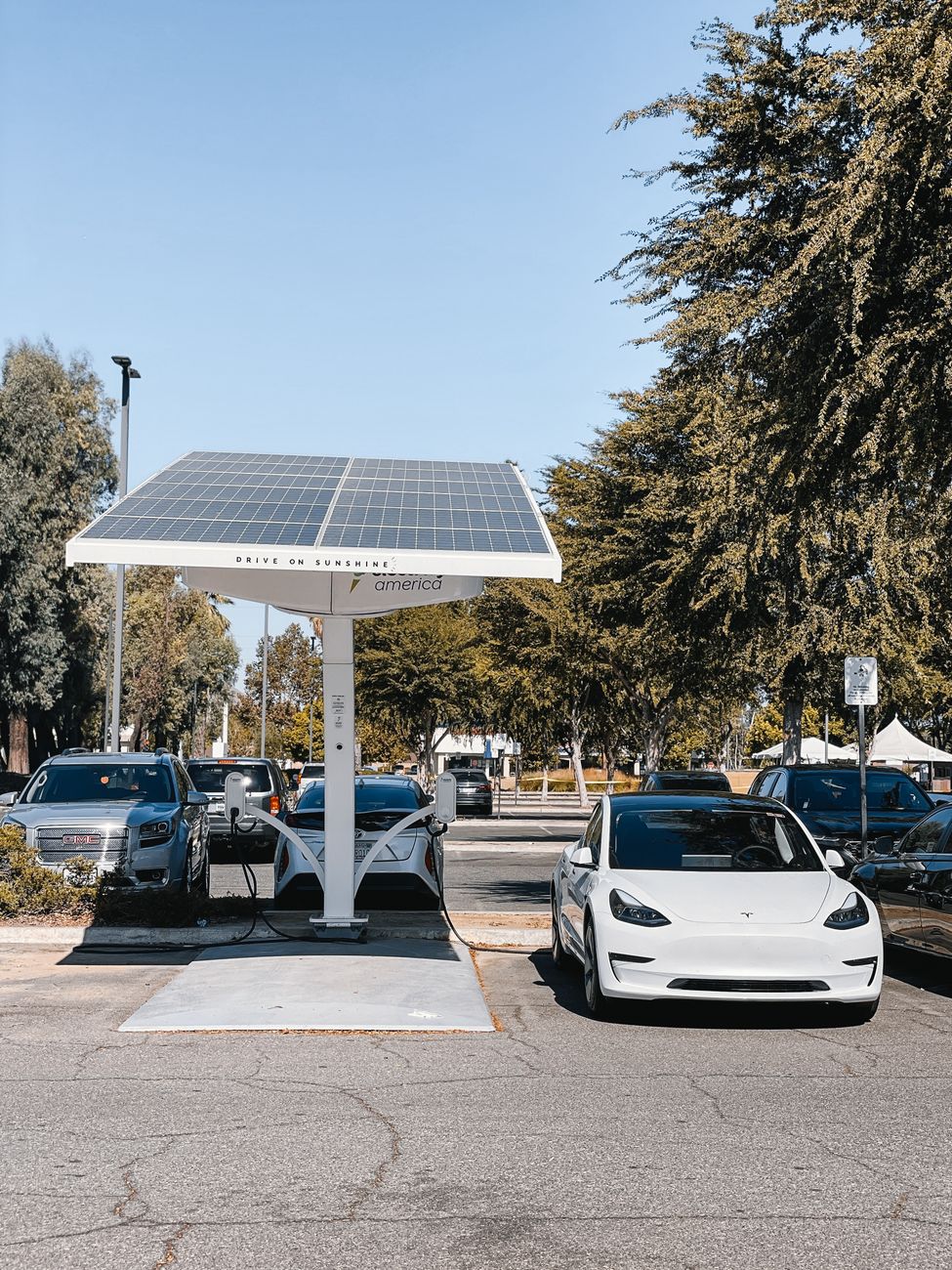

Solar panels and electric vehicle (EV) chargers can help lower energy bills and reduce reliance on fossil fuels. Getting the most from this equipment, however, takes more than installation. Good planning, everyday habits, and simple maintenance all contribute to better performance and longer service life. This beginner's guide explains how solar equipment works, why it matters, and seven practical recommendations to help you use and care for your investment.
What Is Solar Equipment?
Solar equipment is technology that captures energy from sunlight and makes it useful for your home or vehicle. Solar panels, usually installed on a roof or in a sunny outdoor area, turn sunlight into electricity. An inverter changes that electricity into the type used by household appliances. If you own an EV, a home charger can use available electricity to recharge its battery.
Think of a solar system as a small home power station: panels collect energy, an inverter prepares it for use, and your home appliances or car consume it. Some systems also include a battery, which stores surplus electricity for later.
Why Does It Matter?
Using solar energy effectively can reduce the amount of electricity you buy from the grid, potentially lowering bills over time. Charging an EV with solar electricity can further reduce the cost and emissions associated with driving. These benefits depend on factors such as system size, local sunlight, energy rates, and how much electricity your household uses.
Care also matters. Dirt, shading, poor charging habits, or overlooked equipment problems can reduce performance. A little attention helps you understand whether your system is producing as expected and can help prevent small issues from becoming expensive ones.
Core Concept: Match Energy Use to Sunlight
Solar panels generally produce the most electricity during the sunniest part of the day. Whenever practical, run flexible tasks—such as laundry, dishwashing, or charging an EV—while your panels are generating power. This is called shifting energy use: changing when you use electricity rather than simply using less.
For example, if you normally charge your car overnight, try scheduling some charging for late morning or afternoon. Your charger's settings or a home energy app may let you set a schedule. Check your utility's rates too, since the cheapest time to use grid power may vary.
Core Concept: Understand Where Your Power Goes
Monitoring tools show how much energy your panels produce and how much your home consumes. Some inverters and chargers provide a phone app or online dashboard. You do not need to study every number: start by checking overall daily or monthly trends.
Imagine tracking water use to spot a leak. In the same way, comparing solar production over similar sunny days can help you notice a sudden drop. Weather and seasons naturally affect output, so a cloudy day alone is not a reason to worry.
Core Concept: Keep Equipment Clean and Unobstructed
Dust, leaves, and other debris can block sunlight. Check panels from the ground occasionally for obvious buildup or new shade from growing trees. Many panels are cleaned by rain, and roof work can be hazardous, so do not climb onto a roof or use abrasive tools. Follow the manufacturer's care instructions and contact a qualified professional if cleaning or inspection is needed.
Keep the area around your EV charger clear and protect the cable from being driven over, sharply bent, or left where people might trip. Never open electrical equipment or attempt repairs unless you are qualified.
Core Concept: Make Charging Safe and Convenient
Use a charger suitable for your vehicle and electrical setup, installed according to local rules by a qualified electrician. Read the charger and vehicle instructions, and use scheduling features if they suit your routine. Avoid extension cords or improvised adapters unless the manufacturer explicitly approves them.
A reliable routine—such as plugging in after dinner and scheduling charging for a preferred time—makes it easier to use your equipment consistently without unnecessary effort.
Core Concept: Plan for Storage, Rates, and System Limits
A home battery can store some solar electricity for use after sunset or during an outage, but it adds cost and has limits. Before considering one, learn how your utility credits electricity sent to the grid and what your household needs during evening hours. Likewise, do not assume your panels can power every appliance or charge a car at full speed at all times. Your installer or utility can explain your system's capacity and settings.
Getting Started: Seven Practical Recommendations
- Learn your system basics. Find the manuals, equipment labels, warranty details, and installer contact information.
- Check your monitoring app. Record a simple baseline for monthly solar production and electricity use.
- Use flexible appliances in daylight. Shift suitable chores or EV charging to sunny hours when practical.
- Review your electricity plan. Understand time-based rates and how your utility treats excess solar power.
- Look for shading and visible debris. Observe safely from the ground and ask a professional about concerns.
- Care for your charger cable. Keep it dry as directed, untangled, and protected from damage.
- Schedule professional checks when needed. Follow manufacturer guidance and seek qualified help for warning lights, damage, or unusual performance.
Common Mistakes to Avoid
- Expecting identical output every day: Sunlight, clouds, seasons, and shade all affect production.
- Ignoring a persistent change: A lasting drop across comparable conditions may deserve a professional review.
- Cleaning panels unsafely: Roof falls and equipment damage are not worth the risk.
- Assuming every solar kilowatt-hour is free: Utility fees, export credits, and rate plans influence savings.
- Attempting electrical repairs yourself: Solar and EV charging equipment can carry dangerous voltages; use qualified technicians.
Resources and Next Steps
Start with your equipment manuals, installer, utility provider, and local electrical-safety guidance. Your utility can explain rates and solar credits, while the manufacturer can clarify maintenance and warranty requirements. Keep a brief monthly note of production, household use, and charging habits; over time, this makes patterns easier to understand.
You do not need to master everything at once. Today, open your solar or charger app—or locate the manual—and learn where to check your system's basic status. That small first step can help you make confident choices and get more value from your solar investment.