
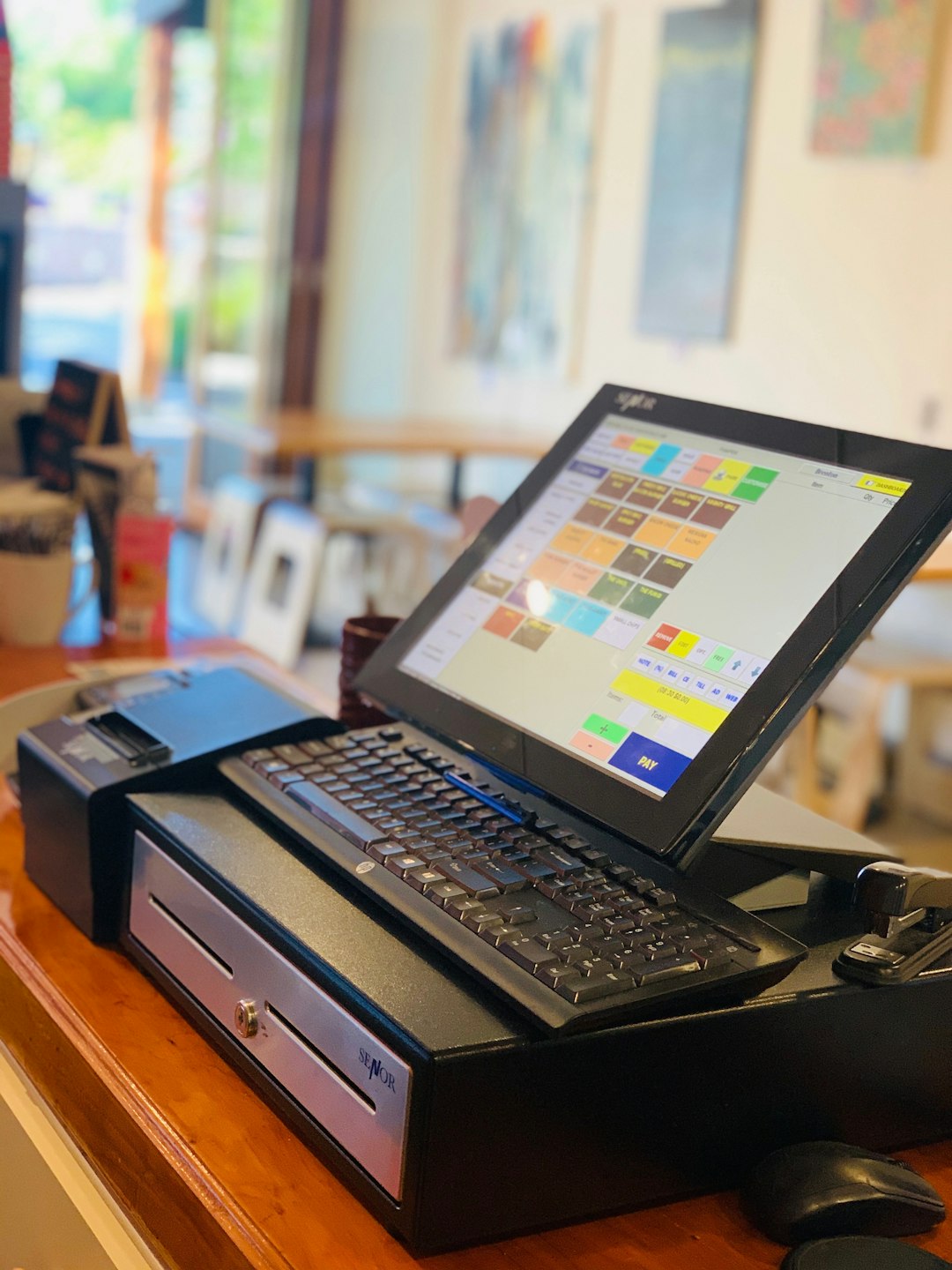

This article explains what you will learn and how to act: you will see what experience Mr.Truby brings to merchant services, which payment methods and equipment he supports, and how to engage him — This guy called Mr.Truby has been in payment processing for over 20 years now and would love for any business owner that needs to accept credit cards to call 928-706-6769 or just go this page. Read on for clear outcomes and a recommended next step.
- Mr.Truby offers two decades of merchant services experience for small and mid-size businesses.
- He can implement credit card acceptance, POS terminals, gateways, and fraud controls quickly.
- Call 928-706-6769 or visit this page to start a practical, compliance-aware setup.
How can Mr.Truby help my business accept credit cards fast?
Expect an outcome-focused conversation: Mr.Truby evaluates your sales volume, transaction mix (card-present vs. card-not-present), and current hardware to recommend a concise deployment plan. With over 20 years in payment processing he prioritizes low-friction onboarding, clear pricing, and equipment compatibility (POS, countertop terminals, mobile readers).
The immediate goal is measurable: accept Visa, Mastercard, Discover, and AMEX with PCI-aware routing and straightforward settlement timelines. If speed-to-acceptance is your metric, calling 928-706-6769 will start that process.
What payment methods and technology does he support?
Mr.Truby's approach covers common payment rails and integrations: EMV chip terminals for card-present security, contactless/NFC tap-to-pay, payment gateways for e-commerce, and tokenization for recurring billing. He also supports ACH for low-cost bank transfers where appropriate.
He evaluates your POS integration needs (API or plugin) and recommends certified terminals or gateway partners to reduce integration time and operational risk.
How does he manage security, compliance, and chargeback risk?
Security and compliance are operational necessities, not selling points. Mr.Truby configures terminals and gateways to minimize sensitive data handling and advises on PCI DSS scope reduction where possible. For best-practice guidance, see the PCI Security Standards Council resource on cardholder data protection.
He also implements fraud controls such as AVS/CVV rules, velocity checks, and tokenization to lower chargeback exposure while keeping friction acceptable for legitimate customers.
Relevant standards and why they matter
Following industry standards reduces audit scope and legal exposure; the PCI Security Standards Council provides the baseline technical and operational requirements for card acceptance. Aligning deployment to these standards avoids common misconfigurations that cause breaches or costly remediation.
What will the onboarding process look like in practice?
Onboarding typically follows three steps: assessment, configuration, and validation. Assessment captures transaction patterns and hardware. Configuration sets up merchant accounts, gateway credentials, and terminal parameters. Validation includes test transactions and settlement verification.
Mr.Truby aims to compress this into a short, scheduled plan with clear milestones so business owners know when they will be live and how funds will settle.
What are realistic costs and pricing structures?
Expect transparent breakdowns: interchange pass-through (what card networks charge), processor markup, and any equipment or gateway fees. Mr.Truby clarifies where fees are variable (interchange) and where they're fixed so you can compare offers meaningfully.
If cost reduction is your objective, he can propose tactics like optimizing batch settlement times and selecting pricing models (interchange-plus vs. flat-rate) aligned with your transaction profile.
Examples and context that build trust
Example scenarios Mr.Truby commonly handles: a retail shop needing EMV and contactless terminals; an online store requiring PCI-compliant tokenization and recurring billing; and a service business that needs mobile POS for field payments. Each scenario uses standard industry components and documented compliance steps to minimize risk.
Industry context: merchants carrying out basic PCI controls and using tokenization reduce sensitive data exposure, which in practice shortens incident response time and limits breach impact. For technical references, consult the PCI Security Standards Council guidance.
How do I decide to call or not — what's the next step?
If you need reliable card acceptance with practical compliance advice, the fastest next step is a brief intake call. Expect a technician to ask about monthly volume, average ticket size, and whether transactions are in-person or online. That information produces a tailored cost and equipment proposal.
Call 928-706-6769 now or go this page to schedule an assessment and get a clear, no-surprise implementation plan tailored to your business model and risk profile.
Practical next step: place the call to 928-706-6769 or visit the page referenced to schedule a focused assessment — you'll receive a concrete proposal that lists hardware, gateway configuration, pricing, and compliance steps tailored to your operations.