
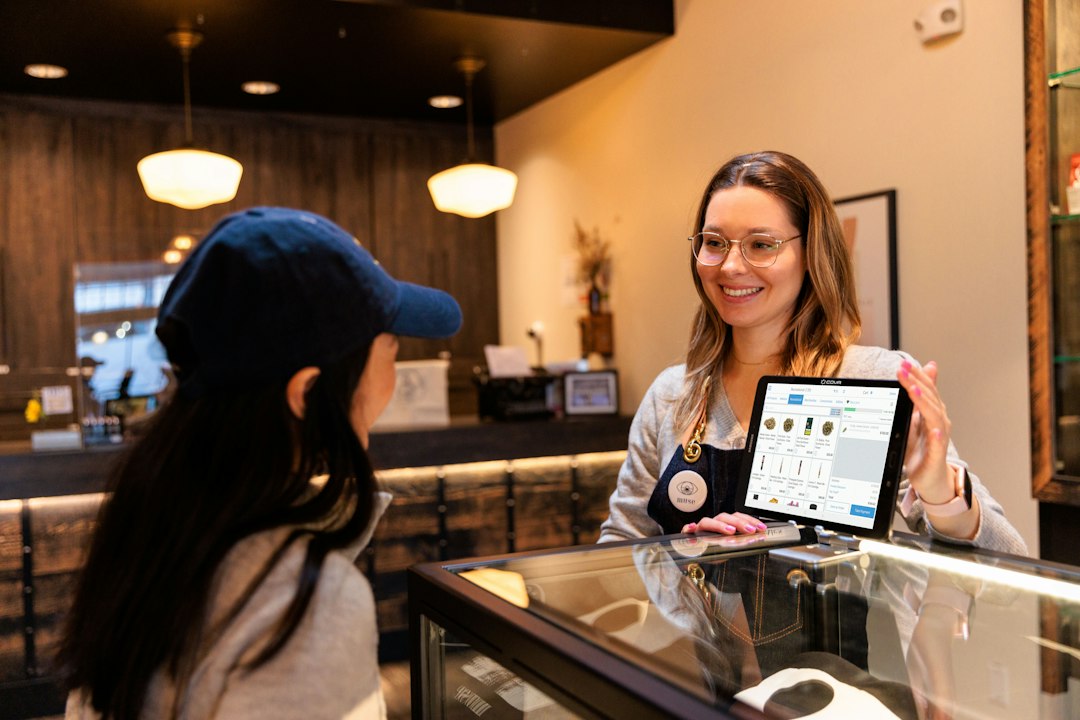

Welcome. This guide walks you through practical, beginner-friendly ways to keep CBD customers returning to your store or online shop. You will learn what customer retention means for CBD businesses, why it matters, the core ideas behind successful retention, step-by-step getting started tips, common mistakes to avoid, and where to go next to deepen your skills. We will explore novel customer retention strategies including loyalty programs and personalized marketing tailored specifically for CBD merchants so you can start building stronger customer relationships today.
What is CBD customer retention?
Customer retention means keeping existing customers coming back to buy from you again instead of losing them to competitors or one-time purchases. For CBD merchants, retention covers repeat purchases of products like tinctures, topicals, capsules, or gummies, continued subscriptions, and ongoing engagement with your brand. Retention is different from acquisition. Acquisition is getting new customers through ads or referrals. Retention is about creating reasons for those customers to choose you over and over.
Why does it matter?
Retaining customers is often less expensive and more profitable than constantly finding new ones. Think of retention as tending a garden. New seeds are great, but watering and caring for the plants you already have yields steady fruit. A loyal customer will:
- Buy more frequently and spend more over time
- Refer friends and write positive reviews
- Provide feedback that helps you improve products
For CBD merchants, retention is especially important because the industry faces unique challenges such as regulatory uncertainty, customer education needs, and competition from many new brands. Strong retention builds trust and stability in a market where repeat customers are a reliable foundation.
Core concept: Loyalty programs
What it is: A loyalty program rewards repeat customers with points, discounts, free products, or exclusive perks. It is like a frequent flyer program, but for CBD purchases.
How it helps: Loyalty programs give customers a reason to choose you next time. They turn small, occasional purchases into a pattern by making rewards visible and attainable.
Easy examples to start with:
- Points per dollar: Customers earn points for every dollar spent and redeem those points for discounts.
- Tiered access: Offer Bronze, Silver, Gold tiers that unlock better perks the more customers spend.
- Referral bonuses: Give points or discounts to customers who refer friends who make a purchase.
Tips: Keep rules simple, communicate balances clearly, and add an emotional reward such as early access to new products or community recognition.
Core concept: Personalized marketing
What it is: Personalized marketing means tailoring messages, offers, and recommendations to the individual customer based on their behavior and preferences. It is like a barista remembering someone s favorite coffee order and suggesting a new pastry they might like.
How it helps: Personalization makes customers feel seen and understood. It increases the chance they will open emails, click links, and complete purchases.
Beginner steps for personalization:
- Collect simple data: Ask for preferred product types or wellness goals during sign up or first purchase.
- Send targeted emails: A customer who bought a sleep CBD oil might receive tips for nighttime routines and a discount on complementary products.
- Use browsing data: Recommend items based on what a customer viewed recently.
Privacy note: Be transparent about how you use data and follow local laws. Always ask for consent before collecting or emailing customers.
Core concept: Education and content
What it is: Education means giving customers clear, accurate information about CBD, how products work, dosing basics, and safety. Content includes blogs, videos, FAQs, and in-store talks.
How it helps: CBD is a category that often requires guidance. Customers return to brands they trust to provide useful, honest information.
Simple content ideas:
- Short guides that explain common terms like full spectrum, broad spectrum, and isolate
- Video demos on how to use tinctures or apply topical products
- Customer stories or testimonials about routines and results
Analogy: Think of your content as a helpful neighbor who explains how to use a new tool so people feel confident using it themselves.
Core concept: Subscription models
What it is: A subscription model lets customers sign up to receive products automatically at set intervals, such as monthly. It is like a magazine subscription, but for CBD products.
How it helps: Subscriptions guarantee regular revenue and make it convenient for customers to keep using your products without reordering manually.
Getting started tips:
- Offer a small discount for subscribing to make the math attractive.
- Allow easy pause or cancel options to reduce fear of commitment.
- Provide customization: frequency, product selection, or bundle options.
Practical example: A customer uses a CBD tincture nightly. A monthly subscription saves them time and offers a price incentive, making ongoing use more likely.
Core concept: Customer experience and service
What it is: Customer experience includes every interaction a buyer has with your brand, from website navigation to packaging and post-purchase follow up. Customer service is the support you provide when customers have questions or issues.
How it helps: Great experiences reduce friction and build loyalty. Quick, empathetic service prevents small problems from becoming reasons to leave.
Practical steps:
- Make product pages clear with ingredients, uses, and suggested dosing
- Offer responsive customer support via chat, email, or phone
- Package orders with care: include a thank you note or sample to create delight
Core concept: Data and feedback loops
What it is: Data means information about purchases, returns, and how customers use your website. Feedback is what customers tell you directly through surveys or reviews.
How it helps: Data shows patterns. Feedback reveals feelings. Together they help you improve products and tailor offers so customers stay engaged.
Beginner actions:
- Track repeat purchase rates and identify which products attract loyal buyers
- Send brief post-purchase surveys asking about satisfaction and improvements
- Use simple analytics tools to see which emails or ads lead to repeat sales
Getting started: Your first practical steps
Step 1. Map the customer journey. Draw a simple timeline showing discovery, first purchase, repeat purchase, and long-term loyalty. Identify one weak spot to improve.
Step 2. Launch one small loyalty incentive. This could be a points system or a discount on the next order for signing up to email updates.
Step 3. Add a basic personalization touch. Ask one preference question during checkout or send a welcome email that recommends two products based on the first purchase.
Step 4. Start a content habit. Commit to one short blog post or one educational video per month that addresses common customer questions.
Step 5. Ask for feedback. After a purchase, send a short rating request with one or two questions to learn what customers liked or disliked.
Common mistakes to avoid
- Overcomplicating loyalty rules. If rewards are hard to understand, customers will ignore them.
- Skipping compliance. CBD is regulated differently across regions. Make sure your marketing and claims follow the law.
- Bombarding customers with irrelevant emails. Personalization reduces this risk; generic bulk emails often push people away.
- Ignoring negative feedback. Unresolved complaints spread via word of mouth more quickly than praise.
- Neglecting mobile experience. Many customers browse and buy on phones; if your site is hard to use on mobile, repeat purchases drop.
Resources and next steps for further learning
Learning is a step-by-step process. Here are practical ways to keep growing:
- Explore platform help centers for loyalty or subscription tools your ecommerce platform offers
- Read industry blogs about CBD compliance and product labeling to stay current
- Take basic analytics courses to understand customer behavior and measure retention
- Join merchant forums or local business groups to swap ideas and success stories
Remember, each small improvement compounds. Start with one tactic, measure results, and iterate.
You are ready to take the first step. Try creating a single simple loyalty incentive today, such as a 10 percent discount on a customer s next order for signing up to your email list. That action begins a pattern of repeat engagement and gives you a concrete starting point for better retention. Youve got this.