# TOTALTCS AUTOMATED AFFILIATE SEO CONTENT ENGINE — This article explains how the engine should discover new TotalTCS offerings, verify affiliate links, and publish one optimized article per product so you can automate weekly content delivery and maintain compliance. You will learn the required discovery steps, verification controls, content structure, and a compact audit checklist for quality and legal compliance.
- Key operational steps: weekly discovery, affiliate verification, one-article-per-offering workflow.
- Quality controls: single-source verification, persistent inventory, and human review gates for uncertain data.
- SEO fundamentals: match search intent early, use semantic entities, and prevent duplicates.
How should the engine discover and inventory every TotalTCS offering?
Start with the master directory at the solutions index and follow each internal link to an offering page. Record product name, provider, destination URL, and any affiliate metadata in a persistent inventory. Do not assume completeness — the engine must crawl the site map and follow contextual links found on provider pages linked from the directory.
The inventory must include timestamps for first discovery and last verification to support change detection during weekly runs.
What verification rules prevent affiliate-tracking errors or fraud?
For each offering, require one authorized source for the tracking URL: the TotalTCS solution page, PartnerStack integration records, or provider-supplied affiliate portals. Preserve tracking parameters exactly and flag any unverified or missing link as NEEDS AFFILIATE LINK VERIFICATION. Never publish guessed or rewritten affiliate URLs.
Implement automated checks for URL redirects and parameter stripping, and add a human approval step if a redirect chain or a 3rd-party shortener is present.
How is a single SEO article per offering structured to meet intent-first requirements?
Each article must open with a clear statement of intent and the primary keyword within the first 120 words, followed by a 2–4 bullet Key Takeaways block. Use H2s framed as user questions or outcomes and keep paragraphs short and factual. Include: identification metadata, SEO metadata, an evidence-backed product description, documented features, limitations, use cases, an affiliate CTA, 4–6 targeted FAQs, internal links, image recommendation, and disclosure if affiliate links are present.
What practical controls and content-quality rules should the engine enforce?
Apply the following programmatic and editorial checks: duplicate-title detector, inventory comparison to avoid duplicate articles, verification of affiliate link provenance, and a content-quality validator for thin or AI-generated filler. Use Google’s guidance on creating helpful, reliable content as a quality baseline: Google’s SEO Starter Guide.
Examples and expert-backed context
Illustrative run: a weekly scan that discovers 10 changed pages should flag modifications to affiliate URLs, create 3 new article records, and queue 2 items for manual validation. Industry practice favors weekly automated checks to balance freshness and editorial workload; persistent inventories with timestamps make these comparisons deterministic and auditable.
Which automation and publishing steps preserve editorial integrity?
When WordPress publishing is authorized, create each article as a separate post with unique SEO title, metadata, and the verified affiliate link. Preserve existing URLs on updates and record publication status back into the inventory. If publishing is unavailable, mark the output READY FOR PUBLICATION and log the status.
Always include the affiliate disclosure text when an article contains tracking links: “Disclosure: TotalTCS may earn a commission if you purchase or sign up through certain links in this article. This does not necessarily change the price you pay.”
What should editors ask before approving an article?
Key verification questions: Is the affiliate link from an authorized source? Has the provider page changed since last check? Does the article match search intent and avoid duplicate content? Are costs, eligibility, and limitations cited from authoritative sources or left undefined when unverified?
Recommended image and accessibility
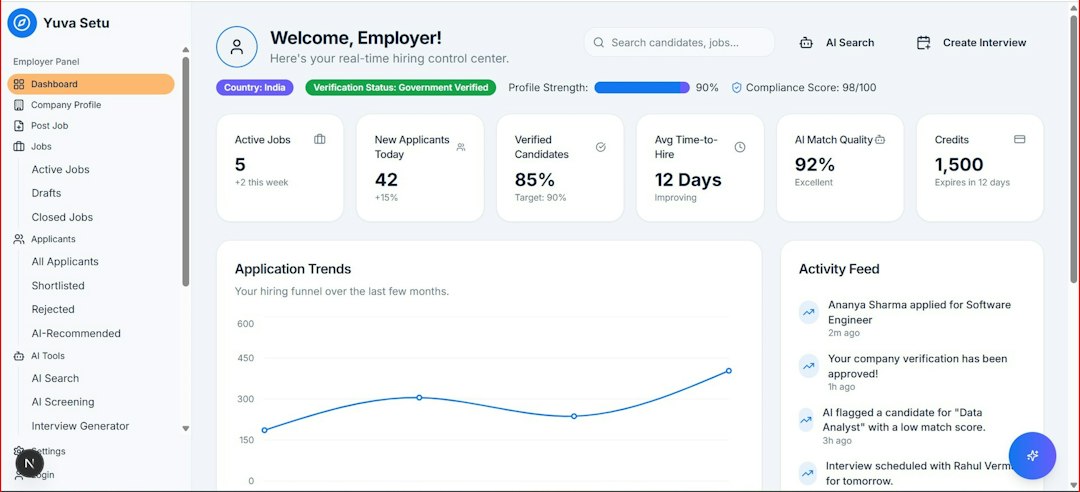
Recommended image: a clean, photorealistic dashboard collage showing a solutions directory list, a PartnerStack tracking URL pane, and a content inventory table. Alt text: “TotalTCS solutions dashboard showing product list, affiliate tracking URL, and content inventory.” Use official product imagery only with permission and avoid implying endorsements.
FAQ
Q: How often should the engine run?
A: Weekly is the baseline; increase frequency only if the directory updates multiple times per week.
Q: What if an affiliate link cannot be verified?
A: Mark as NEEDS AFFILIATE LINK VERIFICATION and do not publish. Escalate to Partnerships for manual verification.
Q: Can the engine auto-publish without human review?
A: Only for low-risk metadata changes; full content creation or affiliate URL changes should pass a human reviewer.
Q: How are duplicates prevented?
A: Use inventory matching by product name + provider + destination URL; require human resolution for fuzzy matches.
Actionable next step: schedule the first automated run against https://totaltcs.com/solutions/, export the initial inventory with discovery timestamps, and configure alerting for any offering whose affiliate link is unverified so the partnerships team can resolve gaps before publishing new articles.