
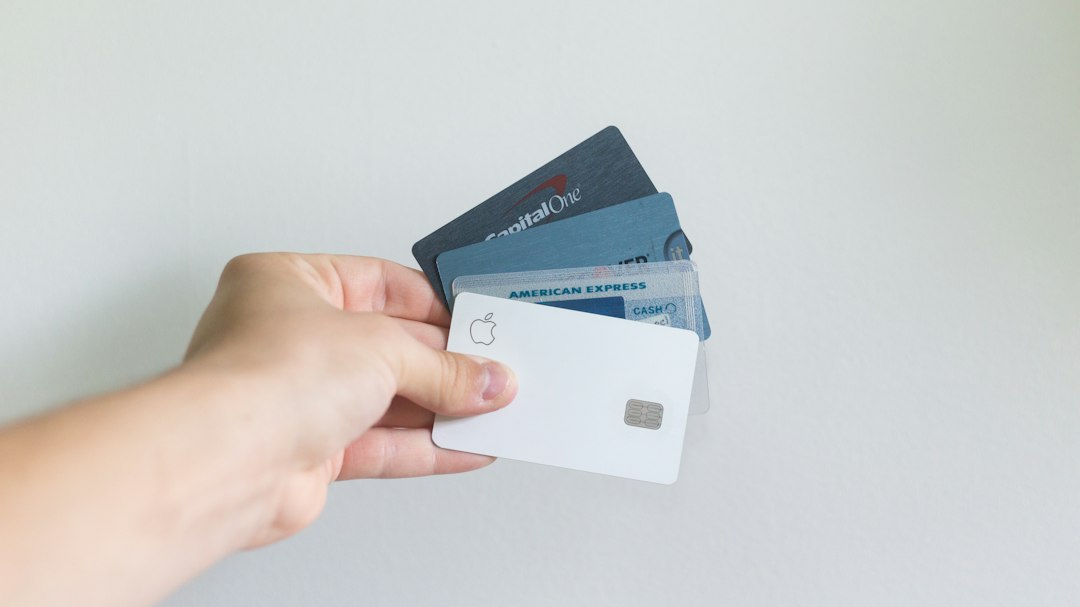

Every sale matters, but a payment that is difficult to complete can send a customer elsewhere. Choosing a reliable credit card processing solution is therefore more than a back-office decision: it affects checkout, cash flow, and the experience customers have with your business. Mr. Truby has worked in payment processing for over 20 years and welcomes business owners who need to accept credit cards to get in touch.
To discuss your business's payment needs, call 928-706-6769 or visit the application page. Before taking that step, it helps to understand what to evaluate in a processor and which questions can make a conversation more productive.
Why Credit Card Processing Matters to Business Operations
Accepting credit cards can make purchasing more convenient for customers and help businesses serve people who prefer not to pay with cash. Yet the ability to take a card is only one part of the decision. The payment setup must also fit how the business sells, how it manages transactions, and how it handles customer information.
A retailer with a physical checkout counter may need a different arrangement from a contractor who takes payments remotely or a company that sells online. Businesses with more than one sales channel may need a combination of in-person, online, and keyed payment options. Identifying these realities first gives owners a clearer basis for comparing providers.
What to Consider When Comparing Payment Processing
Payment processing services can differ in pricing, equipment, support, and application requirements. A quote that looks inexpensive at first glance may not tell the full story if additional fees or operational limitations apply. Business owners should ask for clear explanations of the costs and services included in any proposal.
Understand the pricing structure
Ask how processing costs are calculated and which charges may appear beyond transaction-related costs. Depending on the offer, expenses can include monthly service fees, equipment costs, or other account charges. Request the details in writing and confirm how the pricing applies to the transactions your business actually handles.
It is also useful to ask how refunds, chargebacks, and different card types are treated. These details can influence the overall cost of accepting payments, especially when transaction volume or average sale size varies. Avoid relying on a single advertised rate as a complete estimate of what processing will cost.
Match the payment tools to the way you sell
Consider whether you need a countertop terminal, mobile card reader, online payment capability, or a virtual terminal for payments taken by phone. A suitable solution should reflect your normal workflow rather than forcing staff to use an awkward workaround. If you sell through multiple channels, ask how those payment methods can work together.
Also confirm what equipment or software is included, what setup may be required, and whether the tools are compatible with your existing point-of-sale system. Compatibility questions are easiest to resolve before an account is opened or equipment is purchased. A clear picture of your current setup helps a representative assess the practical options.
How Experience Can Help Business Owners Ask Better Questions
More than 20 years in payment processing gives Mr. Truby a substantial period of industry experience to draw on when speaking with business owners. That experience can help frame a discussion around the business's specific payment needs rather than treating every company as if it had the same checkout process.
Experience alone does not replace careful review of terms, costs, or service details. Owners should still describe their operations accurately, ask direct questions, and read all relevant documents before proceeding. The value of a conversation is in clarifying the available choices and helping the business determine what to investigate next.
Questions to Ask Before You Apply for Merchant Services
A focused discussion can save time. Before contacting a payment processing provider, write down how customers pay today, what tools you use, and what issues you want to solve. This context makes it easier to discuss a merchant account or card acceptance setup in concrete terms.
Which payment methods do you need: in-person, online, mobile, or payments by phone?
What fees, recurring charges, equipment costs, and contract terms should you review?
How are refunds, chargebacks, and customer disputes handled?
What point-of-sale equipment or software is compatible with your current operations?
What support is available if a terminal, account, or transaction issue interrupts sales?
These questions are not a substitute for reviewing the provider's written terms. They are a practical starting point for identifying what matters and making sure you understand the answers before making a decision.
Payment Processing for Different Types of Businesses
The right arrangement depends on the business model. A shop serving customers face-to-face may prioritize fast checkout and dependable terminals, while a service business may need a mobile option for taking payment at a customer's location. An online seller may focus on website integration and a straightforward checkout experience.
Some businesses combine several methods. A company might take cards in person, invoice customers afterward, and accept payments through its website. In that case, it is worth asking whether one provider can support the relevant channels and how transactions are reported and managed across them.
Seasonal changes and future plans matter, too. A business expecting to add online sales or open another location should explain that during the initial conversation. Planning for likely needs can help owners avoid choosing a setup that suits only the current moment.
Security, Reliability, and the Customer Experience
Payment security is essential because card transactions involve sensitive customer and business data. Ask what responsibilities belong to the merchant, what security features are included, and whether the provider offers guidance on protecting payment information. Businesses should follow applicable requirements and avoid assuming that a processor alone removes every security obligation.
Reliability also matters at the point of sale. A delayed or failed transaction can create friction for customers and staff, so ask about support options and what steps are available if service is disrupted. Understanding how to seek help before a problem occurs is more useful than searching for answers in the middle of a busy sales period.
Finally, evaluate the checkout from the customer's perspective. A payment process should be clear, efficient, and appropriate to the setting, whether it happens at a counter, on a phone, or through a website. The goal is not to add unnecessary complexity, but to make paying a natural part of buying.
Preparing for a Payment Processing Conversation
Before reaching out, gather a few basic details: your business type, approximate transaction volume, average sale amount, sales channels, and current equipment. If you already accept cards, note what works well and what you would like to improve. Accurate information helps make the discussion more relevant.
Do not feel obliged to choose a service during the first conversation. Use the opportunity to understand the options, clarify terms, and identify any information you need to review. A sound decision is based on fit and transparency, not pressure or a headline rate without context.
Business owners who need to accept credit cards can speak with Mr. Truby, who has been in payment processing for over 20 years. Call 928-706-6769 to discuss your needs, or visit https://www.appsubmit.com/?source=44828.1 to get started. Have your payment channels, equipment needs, and questions ready so you can take a practical next step toward choosing a card processing setup that fits your business.