
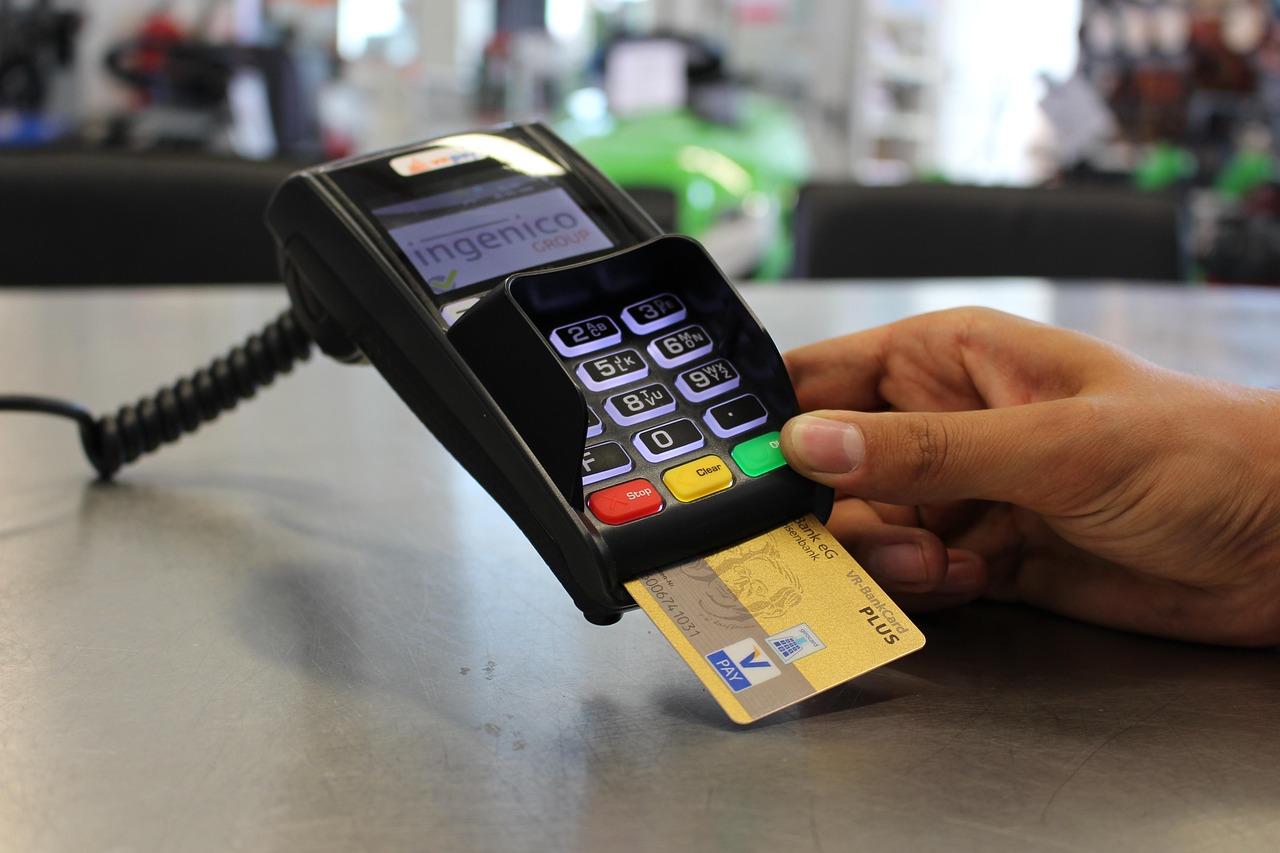

Accepting credit cards can make it easier for customers to pay, but choosing a payment processor is not a decision to make on price alone. Fees, contract terms, settlement timing, support, and the way a provider handles your business all affect the experience. For business owners comparing credit card processing options, Mr. Truby brings more than 20 years of experience in payment processing and welcomes conversations with businesses that need to accept card payments.
To discuss your needs, call 928-706-6769 or visit the online application page. Before taking that step, it helps to understand what a processor does, which costs to examine, and what questions can reveal whether a payment solution fits your business.
Why Credit Card Processing Matters to a Business
Payment processing is the system that moves a card transaction from a customer's payment method through authorization and settlement. The process involves the merchant, the processor, the card network, and the customer's bank. When it works smoothly, it can feel invisible; when it does not, delayed deposits or declined transactions can disrupt routine operations.
For many businesses, accepting cards is a practical way to meet customer expectations and support in-person, online, or phone sales. The right setup depends on how and where you sell. A restaurant, contractor, online retailer, professional office, and mobile service business may have very different transaction patterns and security needs.
That is why a payment solution should be evaluated in context rather than selected from a headline rate. A quoted price may not account for transaction types, equipment, monthly charges, chargebacks, or the provider's service model. Asking specific questions early can help prevent costly misunderstandings later.
What to Review When Comparing Merchant Services
Merchant services can include more than the basic ability to run a card. Depending on the business, a provider may offer a point-of-sale terminal, a payment gateway, mobile acceptance, recurring billing, reporting tools, or integrations with accounting and inventory systems. The useful question is not how many features appear on a list, but whether those features solve a real operational problem.
Understand the Complete Fee Structure
Card processing costs can include a percentage of each transaction, a per-transaction charge, monthly service fees, gateway charges, equipment costs, and fees related to chargebacks or other account activity. Pricing models also vary. Some providers use interchange-plus pricing, while others use tiered or flat-rate structures.
Request a clear explanation of how each charge applies to your business. Ask which fees are recurring, which depend on transaction volume, and whether equipment is purchased, leased, or supplied under another arrangement. If you already process payments, compare a recent statement with the proposed terms instead of relying on a single advertised rate.
Match the Payment Tools to How You Sell
A business that takes payments at a counter may need a dependable countertop terminal and a simple checkout flow. A mobile service provider may prioritize a portable device, while an online seller may need a payment gateway and a compatible shopping-cart integration. Businesses that invoice customers or bill on a schedule may need tools for remote or recurring payments.
Consider how the payment system fits into daily work. Will staff need training? Does the equipment connect reliably to your network? Can the system support the currencies, payment methods, and sales channels you actually use? Practical fit is often more valuable than a feature that looks impressive but goes unused.
Questions to Ask a Credit Card Processor
A productive conversation with a payment provider should clarify both the service and the agreement. Ask how funds are deposited, how long settlement normally takes, and what may cause a delay or reserve. Request the terms in writing, including any minimums, cancellation requirements, and equipment obligations.
Support is another important consideration. Find out how to reach assistance when a terminal stops working or a transaction issue affects sales. Ask whether support is available outside standard business hours and who handles questions about billing, disputes, or account changes. A provider's responsiveness matters most when a problem is time-sensitive.
Also discuss security and compliance responsibilities. Payment providers may supply tools that help protect card data, but businesses still need to follow applicable security practices and understand their own obligations. Clarify what the provider handles, what remains your responsibility, and how to respond if you suspect a security incident.
How Experience Can Help Make the Choice Clearer
Payment processing has technical and commercial details that can be difficult to compare from a short advertisement. An experienced professional may help translate those details into questions about transaction volume, sales channels, equipment, and service expectations. Experience alone does not guarantee that a particular offer is right, so business owners should still review all terms and compare options carefully.
Mr. Truby has been in payment processing for over 20 years and invites business owners who need to accept credit cards to get in touch. A direct discussion can help establish what the business does, how it collects payments, and which services may be relevant. The goal is to identify a suitable arrangement, not to assume that every business needs the same package.
Business owners can call 928-706-6769 to discuss payment processing needs. Those who prefer to begin online can visit the application page. Before applying, gather basic information about your business and prepare questions about pricing, equipment, support, and contract terms.
Preparing to Apply for Merchant Account Services
Preparation can make a conversation more useful. Be ready to describe what you sell, where customers pay, and which payment methods you want to accept. It may also help to estimate monthly card volume, average transaction size, and the proportion of sales that occur in person versus online or by phone.
If you currently accept cards, have recent processing statements available. They can provide a practical basis for reviewing fees and transaction patterns. If you are opening a new business, explain your expected sales model and launch plans instead; accurate context helps a provider assess the likely requirements.
Keep documentation and application details consistent. Businesses may be asked for information about ownership, location, products or services, and banking arrangements. Review every field before submitting, and ask for clarification when a request or contract term is unclear.
Common Mistakes When Selecting Payment Processing
One common mistake is choosing a provider solely because of a low advertised rate. The effective cost depends on the full fee schedule and how transactions are categorized. A low starting figure does not explain monthly charges, contract length, equipment costs, or the conditions under which pricing can change.
Another mistake is overlooking the operational experience. A payment system that is awkward to use can slow checkout and increase staff frustration. Test the workflow where possible, consider how it fits your existing tools, and ask what happens when equipment needs service or a payment cannot be completed.
Some businesses also accept an agreement without understanding cancellation terms or the ownership of leased equipment. Read the complete contract before signing, and request written answers to unresolved questions. Clear documentation makes it easier to compare providers on equal terms.
Choosing a Payment Setup That Can Adapt
Business needs change as sales channels expand, transaction volume grows, or customer preferences shift. A provider should be able to explain how the setup can accommodate reasonable changes, such as adding a terminal, enabling online payments, or integrating a new point-of-sale system. Ask what changes involve extra costs and whether they require a new agreement.
Reporting and reconciliation deserve attention as well. Useful reporting can help a business compare deposits with sales records and identify patterns in refunds or disputes. Before choosing a system, make sure the available reports are understandable and that data can be accessed in a way that supports your bookkeeping process.
Finally, consider the relationship behind the service. Clear communication, transparent pricing, and accessible support can make routine account management easier. These qualities do not replace careful review, but they are meaningful parts of a dependable merchant services experience.
Take the Next Step Toward Accepting Credit Cards
Choosing credit card processing is a practical business decision: compare the full cost, confirm that the tools suit your sales channels, and understand the agreement before committing. A provider should be able to answer direct questions about fees, deposits, equipment, security, and support without leaving important terms vague.
Mr. Truby has more than 20 years of experience in payment processing and is available to speak with business owners who need to accept credit cards. Call 928-706-6769 to discuss your requirements, or start online at appsubmit.com. Bring your questions and, if applicable, a recent processing statement so you can evaluate the options with useful details in hand.