
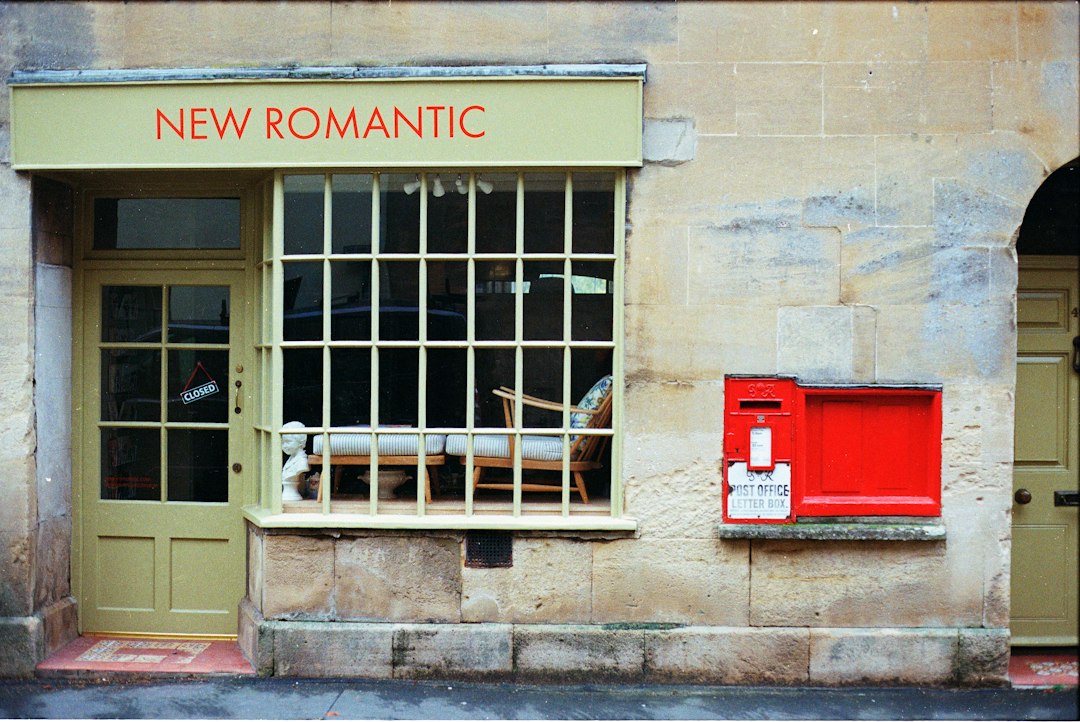

Welcome! This beginner's guide covers practical, friendly steps to plan promotional snail mail campaigns—physical postcards, letters, or packages you send to potential and existing customers. You’ll learn what snail mail marketing is, why it still works, core concepts to focus on, how to get started, common mistakes to avoid, and where to go next. It also includes creative ideas and smart tips to design successful physical mail marketing that drives engagement and sales.
What is Promotional Snail Mail?
Promotional snail mail (also called direct mail) means sending printed materials through the postal service to promote a business, product, event, or offer. Think postcards, folded letters, catalogs, small samples, or branded envelopes arriving in a customer’s mailbox. Unlike email, this is tangible marketing people can hold, display, or pass along.
Why does it matter?
Snail mail matters because it creates a physical connection. In a digital world, a well-designed mail piece stands out. It can feel more personal, get higher attention, and work alongside online channels. Benefits include better recall (people often remember physical items), trust-building (tangible items feel more legitimate), and targeted reach (you can tailor mail by neighborhood, age group, or past buying behavior).
Targeting Your Audience
Good targeting means sending the right message to the right people. Start by defining who will most likely respond: current customers, lapsed buyers, nearby households, or a specific demographic. Use simple lists like your email subscribers, a customer mailing list from a point-of-sale system, or a purchased list from a reputable vendor. Think of targeting like fishing with the right bait—the better the match, the higher your catch.
Design and Tactile Elements
Design matters in physical mail because recipients see and feel the piece. Key elements include headline (big and clear), imagery, color, and the feel of the paper or envelope. Consider heavier paper, unique sizes, or textured finishes to make your mail memorable. Use clear fonts and include a strong visual cue (like a product photo or bold discount) so the message is obvious even at a glance.
Compelling Offers and Call-to-Action
Every mail piece needs a clear call-to-action (CTA): what do you want the recipient to do? Examples: visit a landing page, bring a coupon to the store, call to schedule, or scan a QR code. Make the offer specific (e.g., 20% off through May 31) and give an easy next step. A CTA is like a signpost that makes the path forward obvious.
Timing and Frequency
Think about when and how often to mail. One-off mailings can create spikes, but a series of touches often builds better results. Consider seasonal timings (holidays, local events), paydays, or lead-up schedules (send reminders before a sale). Space mailings so they’re not annoying—quality and relevance beat repeated noise.
Measuring and Testing
Testing helps you learn what works. Try A/B testing two headlines, two offers, or two designs to see which generates more responses. Track results by using unique coupon codes, separate URLs, or trackable phone numbers. Small tests reduce risk and help you improve over time—think of it as tuning a recipe until it tastes just right.
Getting Started: First Steps for Beginners
- Choose your objective: brand awareness, sales, or visits.
- Build or buy a clean mailing list targeted to that objective.
- Sketch a simple design: headline, image, offer, and CTA.
- Create a single proof or prototype (print one postcard or envelope).
- Send a small batch (50–100) to test and gather feedback.
Common Mistakes to Avoid
Beginners often make these common errors: unclear offers, tiny fonts, complicated CTAs, poor targeting, or skipping tracking. Avoid sending mail without a way to measure response (like a unique code). Don’t forget to proofread addresses and copy—small typos can hurt credibility. Finally, don’t try to say everything at once; focus on one clear message.
Resources and Next Steps for Further Learning
- Local print shops: ask for paper samples and printing advice.
- Postal service guides: many postal services publish direct mail tips and postage-rate info.
- Free design tools: online editors let you mock up postcards quickly.
- Marketing blogs and case studies: search for “direct mail campaigns” for real-world examples.
You’re ready to try something small and meaningful. Be curious, test one idea at a time, and celebrate small wins. First action: pick one simple offer and design a postcard mockup (print a single copy or create a PDF) to show to a friend or customer for feedback.